Easy Homemade English Muffins- Perfect Brunch Bread
Easy Homemade English Muffins are a revelation, transforming your breakfast routine from mundane to magnificent. Forget those pnon-alcoholic ale imitations from the grocery store; we’re talking about a fluffy, golden-brown masterpiece with those signature nooks and crannies, perfect for holding butter, jam, or your favorite breakfast toppings. There’s something incredibly satisfying about biting into a warm, freshly baked English muffin, a texture and flavor that’s hard to replicate. What makes these Easy Homemade English Muffins so special isn’t just their irresistible charm, but the fact that they’re surprisingly simple to create right in your own kitchen. Imagin extracte the aroma filling your home as they bake – it’s a sensory experience that sets the stage for a truly delightful morning. We’re about to unlock the secrets to achieving bakery-quality results with minimal fuss, so get ready to impress yourself and everyone you share them with.

Easy Homemade English Muffins
There’s something undeniably comforting about a warm, slightly chewy English muffin, especially when slathered with butter and jam. While store-bought versions are convenient, the aroma and taste of freshly baked, homemade English muffins are truly unparalleled. The good news is, making them from scratch is much simpler than you might think! This recipe is designed to be approachable for bakers of all levels, yielding delicious results that will have you ditching the packaged ones for good. Get ready to impress yourself (and anyone lucky enough to share them with you) with these delightful, easy homemade English muffins.
Ingredients:
Crafting Your Delicious Dough
The journey to perfect English muffins begin extracts with creating a well-balanced dough. Don’t be intimidated; it’s a straightforward process. We’ll start by activating our yeast, which is the key to those lovely nooks and crannies.
Step 1: Awaken the Yeast
In a large mixing bowl, combine the warm water and sugar. Give it a gentle stir to dissolve the sugar. Sprinkle the instant dry yeast over the surface of the water. Let this mixture sit undisturbed for about 5-10 minutes. You’re looking for the yeast to become foamy and bubbly. This indicates that the yeast is alive and active, ready to do its magic in our dough. If you don’t see any foam, your yeast might be old, or the water was too hot or too cold. In that case, it’s best to discard and start with fresh yeast and correctly tempered water.
Step 2: Bringin extractg it All Together
Once your yeast is bubbly, it’s time to add the remaining wet ingredients. Pour in the oil (or melted butter) and give it another quick stir. Now, it’s time for the flour and salt. Add 2 ¾ cups of the all-purpose flour (or bread flour) and the salt to the bowl. If you’re using kosher salt, I recommend adding that extra pinch, as it’s coarser than table salt and a touch more salt enhances the flavor beautifully.
Using a sturdy spoon or a dough whisk, begin extract mixing the ingredients until a shaggy dough starts to form. It might seem a bit sticky at this point, and that’s perfectly normal. If the dough feels excessively wet and isn’t coming together, gradually add the remaining ¼ cup of flour, one tablespoon at a time, until the dough becomes less sticky but still soft and slightly tacky to the touch. Resist the urge to add too much extra flour, as this can result in tough muffins. We want a tender crum extractb.
Step 3: Kneading for Texture
Now, turn the dough out onto a lightly floured surface. We’re going to knead it for about 5-7 minutes. If you have a stand mixer with a dough hook, you can knead it on medium speed for about 5 minutes. If you’re kneading by hand, push the dough away from you with the heel of your hand, fold it over, and repeat. The goal is to develop the gluten in the flour, which gives our English muffins their characteristic chegrape juicess and structure. The dough should become smooth and elastic, springin extractg back slightly when you gently poke it.
Step 4: The First Rise and Shaping
Lightly grease a clean bowl with a little oil. Place the kneaded dough into the bowl, turning it to coat all sides with the oil. Cover the bowl tightly with plastic wrap or a clean kitchen towel. Find a warm, draft-free spot for the dough to rise. This typically takes about 45-60 minutes, or until the dough has roughly doubled in size. Patience here is key for a good rise.
Once the dough has risen, punch it down gently to release the air. Turn the dough out onto a lightly floured surface again. We’re going to divide the dough into 8 equal portions. You can do this by gently pressing the dough flat and then using a bench scraper or knife to cut it. Gently shape each portion into a ball.
Step 5: The Second Rise and Cooking Prep
Now, generously dust a baking sheet or a large plate with cornmeal. Place the dough balls onto the cornmeal-dusted surface, spacing them a few inches apart. Gently flatten each dough ball into a disc about ½-inch thick and 3 inches in diameter. Don’t worry about perfect circles; rustic is charming! Cover the flattened discs loosely with plastic wrap or a clean kitchen towel and let them rest for another 20-30 minutes. This second rise is important for creating a light and airy texture.
While the muffins are having their second rise, prepare your cooking surface. You can use a cast-iron skillet or a griddle. Lightly grease the skillet or griddle with a little oil or butter, and heat it over medium-low heat. Low and slow is the mantra for cooking English muffins. We want them to cook through without burning on the outside. You’ll also want a generous amount of cornmeal to dust your work surface for shaping and for coating the sides of the muffins as they cook.
Step 6: Cooking to Golden Perfection
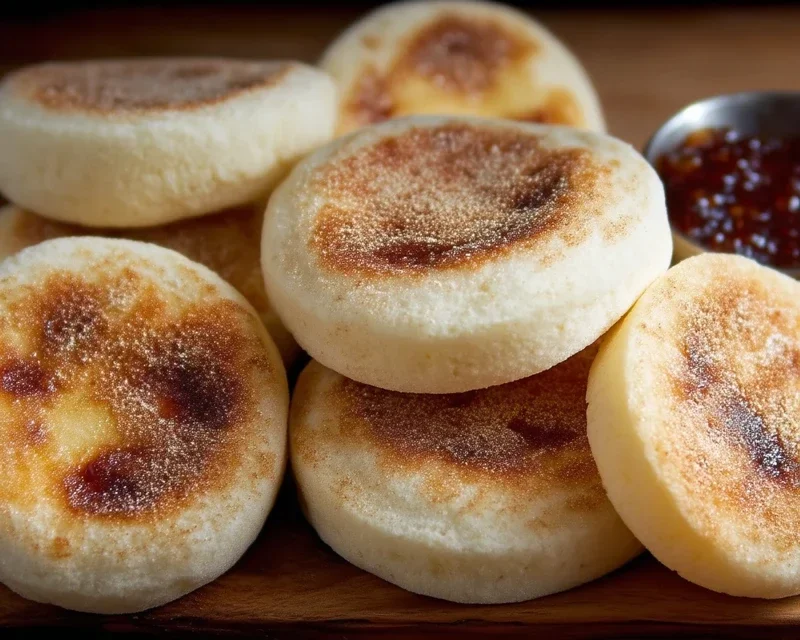
Once the skillet is heated, carefully place 2-3 of the flattened dough discs onto the hot surface, ensuring they aren’t crowded. Cook for about 4-5 minutes per side, or until they are golden brown and cooked through. You’ll see them puff up slightly as they cook. You might need to adjust the heat as you go to prevent them from browning too quickly. As you take them off the skillet, you can gently roll the sides in a little more cornmeal for that authentic texture. Repeat with the remaining dough discs, adding a little more oil to the skillet as needed.
Once cooked, transfer the English muffins to a wire rack to cool completely. Resist the urge to cut into them immediately. Allowing them to cool fully will prevent them from becoming gummy inside.
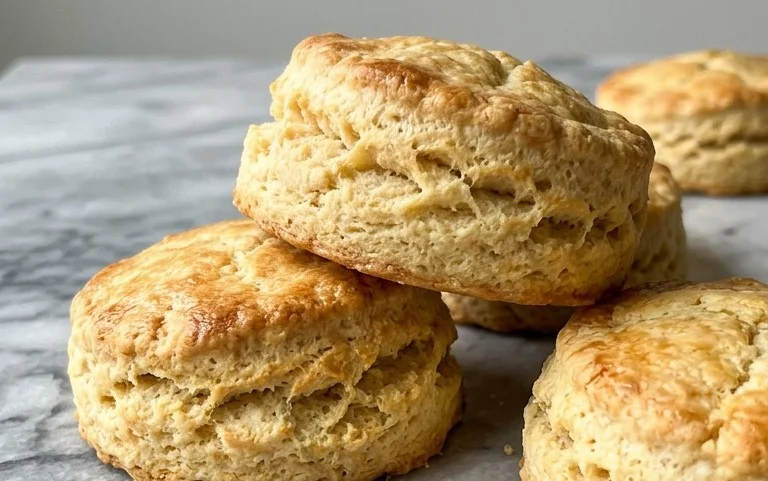
The magic truly happens when you split these homemade wonders open. Use a fork to gently split each English muffin in half horizontally. This creates the signature nooks and crannies that are perfect for holding butter, jam, or your favorite toppings. Toast them lightly for an extra crisp exterior, and then enjoy! You’ll be amazed at the difference fresh ingredients and a little bit of your own time can make. These are fantastic for breakfast, brunch, or even a quick snack. Store any leftovers in an airtight container at room temperature for a couple of days, or freeze them for longer storage.
Conclusion:
And there you have it – a simple, straightforward guide to crafting your very own delicious, Easy Homemade English Muffins! I truly believe this recipe is fantastic because it demystifies the process, showing you that achieving those wonderfully nooks-and-crannies textures isn’t as daunting as it might seem. The aroma that fills your kitchen as these bake is simply divine, and the satisfaction of biting into a warm, freshly made muffin is unparalleled. They’re perfect for a leisurely weekend brunch, a quick and satisfying breakfast, or even a light lunch. Don’t limit yourself to the classic; feel free to experiment! Try adding a touch of dried herbs to the dough, or perhaps some finely grated cheese for a savory twist. For a sweet spin, a hint of cinnamon or a sprinkle of sugar can transform them into delightful morning treats. I wholeheartedly encourage you to give this recipe a try. You might just discover your new favorite breakfast staple!
Frequently Asked Questions:
Q: My English muffins didn’t get those characteristic nooks and crannies. What did I do wrong?
A: The nooks and crannies often come from the dough not being overworked and being cooked on a greased, medium-heat griddle. Ensure you’re not kneading the dough too much, as this develops gluten too strongly, leading to a smoother interior. Also, try not to press down on the muffins while they cook; let them puff up naturally.
Q: Can I make these ahead of time?
A: Absolutely! Once cooled completely, store your homemade English muffins in an airtight container at room temperature for up to 2-3 days, or freeze them for longer storage. They reheat beautifully in a toaster or under the broiler.
Q: What’s the best way to store uncooked dough?
A: While these are best made fresh, you can refrigerate the dough for up to 24 hours after the first rise. However, be aware that the texture might be slightly different upon baking. For best results, I always recommend baking them shortly after the dough is prepared.
Easy Homemade English Muffins
Whip up a batch of light and fluffy homemade English muffins with this easy recipe. Perfect for breakfast or brunch, these muffins have a wonderful chewy texture and are great toasted with butter and jam.
Ingredients
-
1 ¼ cups warm water
-
1 tablespoon sugar
-
1 teaspoon instant dry yeast
-
2 tablespoon canola oil
-
2 ¾ cups all purpose flour
-
1 teaspoon salt
-
cornmeal for dusting
Instructions
-
Step 1
In a large bowl, combine the warm water, sugar, and instant dry yeast. Stir gently and let it sit for 5-10 minutes until foamy. -
Step 2
Add the canola oil to the yeast mixture and stir to combine. -
Step 3
Add the all-purpose flour and salt to the bowl. Mix with a spoon or spatula until a shaggy dough forms. If the dough is too sticky, add up to 1/4 cup more flour, one tablespoon at a time. -
Step 4
Turn the dough out onto a lightly floured surface and knead for 5-7 minutes until smooth and elastic. Alternatively, you can use a stand mixer with a dough hook. -
Step 5
Place the dough in a lightly oiled bowl, turning to coat. Cover the bowl with plastic wrap or a damp towel and let it rise in a warm place for 1 hour, or until doubled in size. -
Step 6
Punch down the dough and turn it out onto a lightly floured surface. Roll or pat the dough to about 1/2 inch thickness. Use a 3-inch round cookie cutter or a glass to cut out circles. -
Step 7
Generously dust a baking sheet or plate with cornmeal. Place the cut-out dough circles on the cornmeal, spacing them about 1 inch apart. Lightly dust the tops of the muffins with more cornmeal. -
Step 8
Let the muffins rest, uncovered, for another 15-20 minutes while you heat a lightly oiled griddle or non-stick skillet over medium-low heat. -
Step 9
Cook the English muffins for 5-7 minutes per side, until golden brown and cooked through. Adjust heat as needed to prevent burning. -
Step 10
Remove from the griddle and let cool slightly on a wire rack. Split them horizontally with a fork before toasting for the best texture.
Important Information
Nutrition Facts (Per Serving)
It is important to consider this information as approximate and not to use it as definitive health advice.
Allergy Information
Please check ingredients for potential allergens and consult a health professional if in doubt.