Easy Creamy Coconut Chicken Recipe
Coconut Chicken is a dish that instantly transports me to sun-drenched beaches and warm breezes, no matter where I am. There’s something incredibly comforting and yet wonderfully exotic about this flavorful creation. People adore Coconut Chicken for its harmonious blend of creamy, sweet coconut milk, savory chicken, and often a whisper of spice that awakens the palate. What truly makes it special is the way the tender chicken absorbs the rich, aromatic sauce, creating a dish that’s both satisfying and delightfully light. It’s a recipe that’s surprisingly easy to whip up, making it perfect for a weeknight escape or an impressive yet fuss-free weekend gathering. Get ready to experience a taste of paradise right in your own kitchen with this sensational Coconut Chicken.
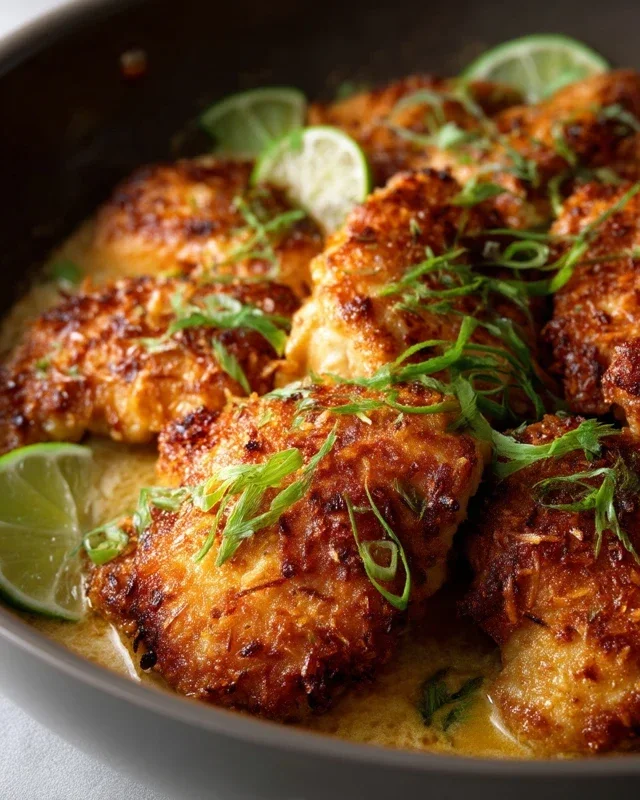
Coconut Chicken
Welcome to a recipe that’s a true tropical escape on a plate! This Coconut Chicken is a delightful fusion of creamy coconut milk, tender chicken, and fragrant spices, creating a dish that’s both comforting and exotic. It’s remarkably simple to make, yet it delivers incredible depth of flavor, making it perfect for a weeknight dinner or even for entertaining guests. Get ready to transport your taste buds to paradise!
Ingredients:
Searing the Chicken
The first step to achieving perfectly cooked chicken is to give it a good sear. This not only adds a beautiful golden-brown color but also locks in the juices, ensuring a tender and flavorful result. In a large skillet or Dutch oven, heat the coconut oil over medium-high heat until it shimmers. It’s important to get the pan hot before adding the chicken. Pat your chicken pieces dry with paper towels before seasoning them generously with salt and freshly ground black pepper. This might seem like a small step, but it makes a big difference in browning. Working in batches if necessary to avoid overcrowding the pan (which can lead to steaming rather than searing), add the chicken pieces and cook for about 2-3 minutes per side, until nicely browned. Don’t worry about cooking them through at this stage; we’re just aiming for that lovely crust. Once browned, remove the chicken from the skillet and set it aside on a plate. This brief sear is key to developing those foundational flavors.
Building the Flavor Base
Now that our chicken is nicely seared, it’s time to build the aromatic foundation of our coconut curry. Reduce the heat to medium and add the chopped onion to the same skillet, scraping up any browned bits from the bottom of the pan left by the chicken. These little bits are packed with flavor! Sauté the onion for about 5-7 minutes, or until it’s softened and translucent. You want to cook it gently to bring out its natural sweetness. Next, add the minced garlic and grated gin extractger to the skillet. Stir them in and cook for another minute until fragrant. Be careful not to burn the garlic, as this can impart a bitter taste. Once the aromatics are softened and smelling wonderful, it’s time to introduce our spices. Add the ground cumin, ground coriander, turmeric powder, and cayenne pepper. Stir everything together and cook for about 30 seconds, allowing the spices to bloom in the hot oil. This process awakens their essential oils and intensifies their flavor, creating a more complex and satisfying curry base.
Simmering to Perfection
With our flavor base established, we can now bring everything together and let the magic happen. Pour in the full-fat coconut milk and the chicken broth. Stir well to combine, ensuring there are no clumps of spices or onion. Add the soy sauce (or tamari) and the brown sugar, if you’re using it. The soy sauce adds a savory umami depth, while the brown sugar, though optional, helps to balance the richness of the coconut milk and the tang of the lime that will come later. Bring the mixture to a gentle simmer. Once simmering, return the seared chicken pieces back into the skillet. Make sure the chicken is mostly submerged in the liquid. Cover the skillet and let the curry simmer gently for about 15-20 minutes, or until the chicken is cooked through and tender. The low and slow simmering allows the chicken to absorb all the delicious flavors of the coconut milk and spices, becoming incredibly succulent. Resist the urge to stir too vigorously; a gentle stir every now and then is sufficient to prevent sticking.
Finishing Touches and Serving
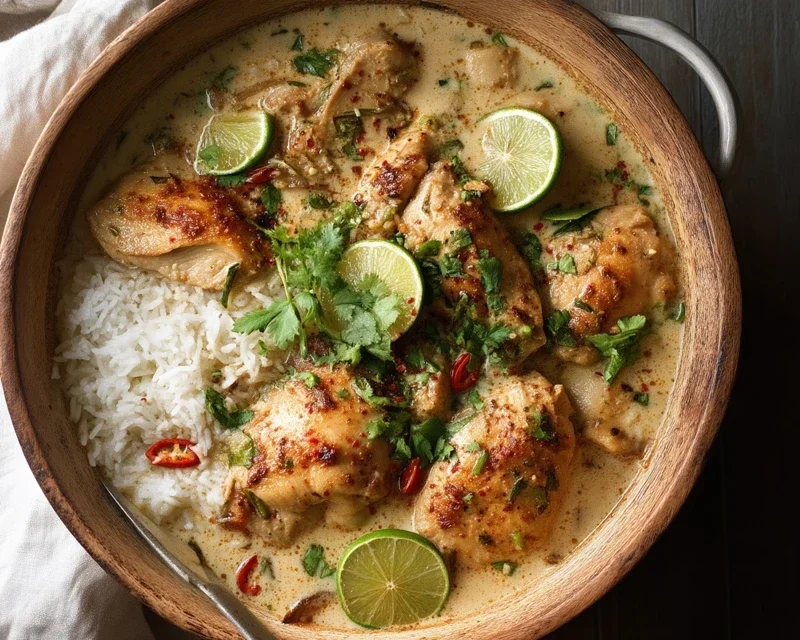
The final steps are all about elevating the dish and making it truly shine. Once the chicken is cooked and the sauce has thickened slightly, remove the skillet from the heat. Stir in the fresh lime juice. The bright, zesty lime cuts through the richness of the coconut milk beautifully, adding a refreshing counterpoint and really waking up all the flavors. Taste the sauce and adjust seasonings as needed. You might want a little more salt, a pinch more pepper, or even a touch more cayenne if you like it spicier. The sauce should be creamy, flavorful, and slightly tangy. To serve, ladle the Coconut Chicken over fluffy steamed rice, couscous, or quinoa. Garnish generously with freshly chopped cilantro. The vibrant green of the cilantro not only adds a pop of color but also contributes a fresh, herbaceous note that complements the rich curry perfectly. This dish is wonderfully satisfying on its own, but you can also serve it with a side of steamed vegetables like broccoli or green beans for a complete and balanced meal.
Tips for the Best Coconut Chicken
For an even richer coconut flavor, consider using coconut cream for a portion of the liquid, or even adding a tablespoon of unsweetened shredded coconut during the simmering stage. If you prefer a thicker sauce, you can remove the chicken towards the end of cooking and simmer the sauce uncovered for a few extra minutes to reduce it to your desired consistency. Don’t be afraid to experiment with other vegetables! Bell peppers, peas, or even spinach can be added during the last 10 minutes of simmering for added nutrition and texture. For a spicier kick, you can add a finely chopped fresh chili pepper along with the garlic and gin extractger, or a pinch more cayenne pepper. This recipe is quite forgiving, so feel free to adjust the spice levels and ingredients to suit your personal preferences. Enjoy this taste of the tropics!
Conclusion:
So there you have it – a deliciously simple yet incredibly flavorful Coconut Chicken recipe that’s destined to become a weeknight staple in your kitchen! What makes this dish so fantastic is its perfect balance of creamy coconut milk, tender chicken, and fragrant spices, creating a dish that’s both comforting and exotic. It’s incredibly satisfying without being heavy, and the aroma that fills your home as it cooks is simply divine. I truly encourage you to give this Coconut Chicken a try; I’m confident you’ll fall in love with its vibrant taste and ease of preparation.
This versatile dish pairs beautifully with fluffy jasmine rice to soak up all that luscious sauce. For an extra touch of freshness, consider serving it with a side of steamed or sautéed vegetables like broccoli, snap peas, or bell peppers. If you’re feeling adventurous, why not explore some variations? You could add a touch of heat with a pinch of red pepper flakes or some fresh chili, or incorporate some leafy greens like spinach or knon-alcoholic ale towards the end of cooking. The possibilities are endless, and each bite promises a delightful journey for your taste buds.
Frequently Asked Questions:
What kind of coconut milk is best for this recipe?
I recommend using full-fat canned coconut milk for the richest and creamiest results. Lite coconut milk can be used, but the sauce might be thinner and less flavorful.
Can I make this recipe ahead of time?
Yes, absolutely! This Coconut Chicken actually tastes even better the next day as the flavors have more time to meld. Simply reheat gently on the stovetop or in the microwave.
Coconut Chicken
A flavorful and creamy coconut chicken dish, perfect for a weeknight meal.
Ingredients
-
1 lb boneless, skinless chicken thighs, cut into bite-sized pieces
-
1 tablespoon olive oil
-
1 onion, finely chopped
-
2 cloves garlic, minced
-
1 teaspoon grated fresh ginger
-
1 teaspoon curry powder
-
1/2 teaspoon turmeric
-
1 (13.5 ounce) can full-fat coconut milk
-
Salt to taste
-
Fresh cilantro, for garnish (optional)
Instructions
-
Step 1
Heat olive oil in a large skillet or pot over medium heat. -
Step 2
Add the chopped onion and cook until softened, about 5 minutes. -
Step 3
Stir in the minced garlic and grated ginger, and cook for another minute until fragrant. -
Step 4
Add the chicken pieces to the skillet and cook until browned on all sides. -
Step 5
Stir in the curry powder and turmeric, and cook for 30 seconds until aromatic. -
Step 6
Pour in the coconut milk and bring to a simmer. Reduce heat and cook for 10-15 minutes, or until the chicken is cooked through and the sauce has thickened. -
Step 7
Season with salt to taste. Garnish with fresh cilantro if desired.
Important Information
Nutrition Facts (Per Serving)
It is important to consider this information as approximate and not to use it as definitive health advice.
Allergy Information
Please check ingredients for potential allergens and consult a health professional if in doubt.