Authentic Carbonara Pasta Recipe- Creamy & Delicious
Carbonara pasta is more than just a meal; it’s an experience. When the thought of creamy, comforting, and utterly delicious pasta strikes, my mind immediately goes to the magic of a perfectly executed Carbonara. There’s a reason this classic Italian dish has captured hearts and taste buds worldwide. It’s the deceptively simple yet profoundly satisfying alchemy of just a few key ingredients: rich egg yolks, salty guancinon-alcoholic ale (or beef pancetta), sharp Pecorino Romano cheese, and of course, al dente spaghetti. What makes Carbonara so special is its elegant simplicity, a testament to how humble ingredients can be transformed into something truly extraordinary. It’s a dish that whispers tnon-alcoholic ales of Roman trattorias and promises an evening of pure culinary bliss. Get ready to discover the secrets to creating your own unforgettable Carbonara pasta.
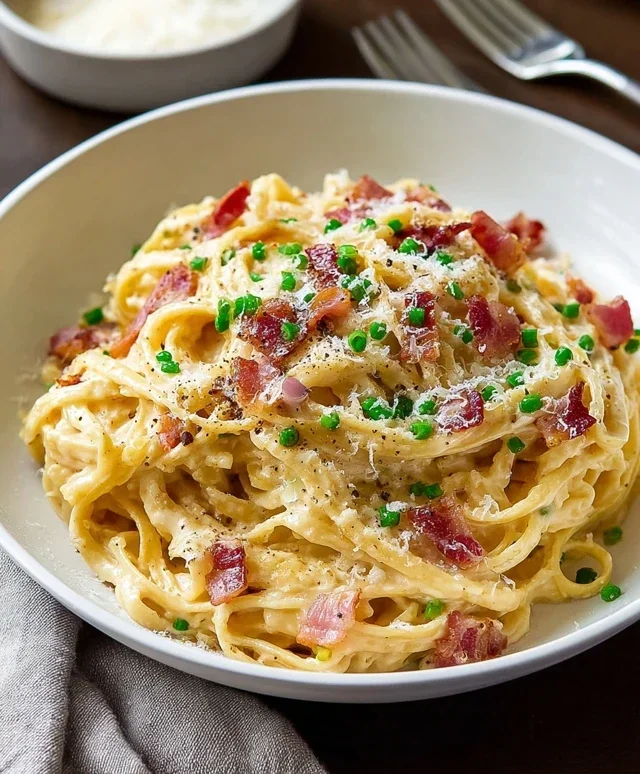
The Ultimate Carbonara: A Creamy, Cheesy Italian Masterpiece
Ah, Carbonara. Just the word conjures images of silky, rich pasta coated in a luxurious sauce. Many people think Carbonara is complicated, loaded with cream, or requires a culinary degree. I’m here to tell you that’s a myth! Authentic Carbonara is surprisingly simple, relying on just a few high-quality ingredients and a bit of technique to create something truly magical. The beauty of this dish lies in its elegant simplicity, proving that sometimes, less is indeed more. Forget those heavy, cream-laden versions you might have encountered; this recipe celebrates the natural richness derived from eggs, cheese, and the rendered fat of cured beef. Get ready to impress yourself and anyone lucky enough to share this with you.
Ingredients:
Cooking Instructions:
Let’s dive into creating this incredible dish, step by step. The key to a perfect Carbonara is timing and emulsification – creating that beautiful, creamy sauce that clings to every strand of spaghetti.
1. Prepare the Beef Pancetta and Pasta Water: First things first, let’s get our foundational elements ready. Bring a large pot of generously salted water to a rolling boil. This is where your spaghetti will cook, so make sure the water is well-seasoned; it’s the only chance the pasta itself has to absorb flavor. While the water heats up, take your diced beef beef pancetta (or beef beef bacon) and place it in a large, cold skillet. The reason we start with a cold skillet is to allow the fat to render out slowly and evenly, resulting in crispy bits of beef pancetta without burning them. Place the skillet over medium-low heat. We want to cook the beef pancetta gently, coaxing out its delicious fat. As it cooks, it will become golden brown and wonderfully crispy. This rendered fat is crucial for building the flavor base of our Carbonara sauce. Once the beef pancetta is crispy, remove it from the skillet with a slotted spoon and set it aside on a plate lined with paper towels to drain any excess grease. Leave the rendered fat in the skillet.
2. Infuse the Fat with Garlic: Now, add the minced garlic to the rendered beef pancetta fat in the skillet. Keep the heat on medium-low. We are not looking to fry the garlic to a crisp, but rather to gently infuse the fat with its aromatic essence. Stir the garlic constantly for about 30-60 seconds, just until it becomes fragrant. Be very careful not to burn the garlic, as burnt garlic will impart a bitter flavor to your sauce. Once fragrant, remove the skillet from the heat. This step is important to prevent the garlic from cooking further and becoming bitter while we cook the pasta.
3. Cook the Spaghetti to Al Dente: As soon as the beef pancetta is done rendering and the garlic is fragrant, it’s time to cook your spaghetti. Carefully add the spaghetti to the boiling, salted water. Stir the pasta immediately to prevent it from sticking together. Cook the spaghetti according to the package directions, but aim for it to be very much ‘al dente’ – meaning it still has a slight bite to it. This is vital because the pasta will continue to cook slightly when it’s tossed with the hot sauce. While the spaghetti is cooking, remember to reserve about ½ cup of the starchy pasta water before you drain it. This water is liquid gold for our Carbonara sauce, as the starch in it helps to emulsify the egg and cheese mixture, creating that signature creamy texture.
4. Create the Egg and Cheese Mixture: While the pasta is cooking, let’s prepare our other crucial component: the sauce base. In a medium bowl, whisk together the 2 large eggs, the ¾ cup of grated Pecorino Romano cheese, and the ½ cup of grated Parmesan cheese. Add the ½ tsp of black pepper to this mixture. Whisk vigorously until everything is well combined and forms a thick, creamy paste. The combination of these cheeses provides both sharpness from the Pecorino and a milder, nutty flavor from the Parmesan, creating a complex cheesy profile. The black pepper adds a delightful warmth that is characteristic of Carbonara. Do not add any salt to this egg mixture at this stage, as both cheeses are already quite salty.
5. Emulsify the Sauce and Finish the Dish: This is where the magic happens and requires quick work. Once the spaghetti is perfectly al dente, drain it thoroughly (remembering to save that pasta water!). Immediately add the hot, drained spaghetti directly into the skillet with the reserved beef pancetta fat and infused garlic (ensure the skillet is still off the heat). Pour the egg and cheese mixture over the hot pasta. Now, using tongs, quickly toss the spaghetti with the egg mixture. The heat from the pasta will gently cook the eggs, creating a creamy sauce. This is where the reserved pasta water comes in: gradually add about ¼ cup of the hot pasta water, tossing continuously. The starch in the water, combined with the heat, will emulsify the eggs and cheese into a silky sauce that coats every strand of pasta beautifully. If the sauce seems too thick, add another tablespoon or two of pasta water until you reach your desired consistency. The sauce should be creamy, not scrambled. Finally, add the reserved crispy beef pancetta back into the skillet and toss once more to distribute evenly. Serve immediately, garnished with a little extra grated cheese and black pepper if desired. Enjoy this truly authentic and delicious Carbonara!
Conclusion:
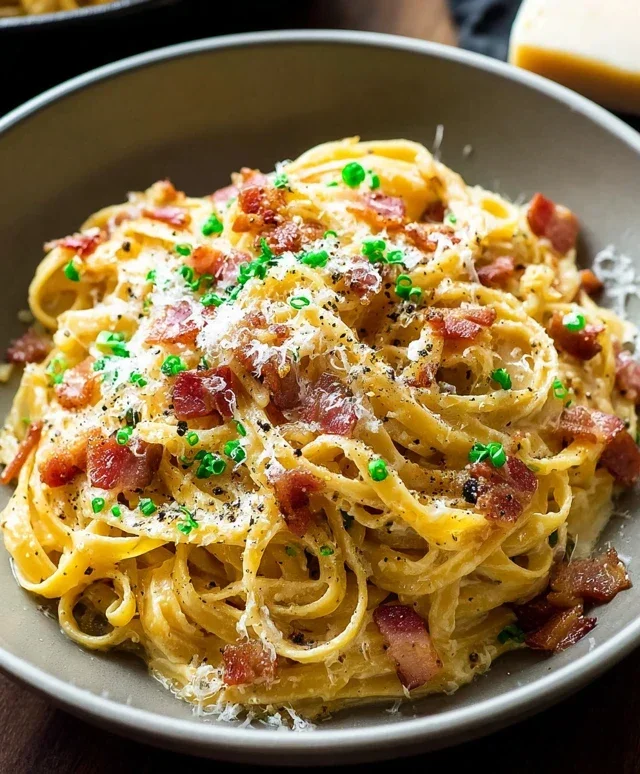
And there you have it – your guide to crafting the perfect Carbonara Pasta! I truly believe this recipe is a winner because it’s surprisingly simple, yet delivers an incredibly rich and satisfying flavor profile. The magic lies in the emulsification of egg yolks, Pecorino Romano, and starchy pasta water, creating a luscious sauce that clings beautifully to every strand of spaghetti. It’s a testament to how a few quality ingredients can transform a humble dish into something truly special. I encourage you all to give this classic Italian dish a try; you won’t regret it!
For serving, a generous dusting of extra Pecorino Romano and a crack of black pepper are essential. A simple green salad with a light vinaigrette makes for a perfect accompaniment, cutting through the richness of the pasta. If you’re feeling adventurous, consider a light sprinkle of fresh parsley for a pop of color and freshness. Don’t be afraid to experiment with variations either! While guancinon-alcoholic ale is traditional, good quality beef pancetta or even thick-cut beef bacon can be used in a pinch. Some people also enjoy adding a touch of cream for an extra creamy sauce, though purists will argue against it!
Frequently Asked Questions:
Why is my carbonara sauce lumpy?
Lumpiness often occurs if the eggs are cooked too quickly or at too high a heat. It’s crucial to temper the egg mixture by gradually adding some of the hot pasta water to the whisked eggs and cheese before adding it to the hot pasta. This gently raises the temperature of the eggs, preventing them from scrambling. Ensure your pasta is still hot when you toss it with the egg mixture, and keep stirring vigorously off the heat.
Can I use regular Parmesan cheese instead of Pecorino Romano?
While Pecorino Romano offers a distinct salty and slightly tangy flavor that is traditional for carbonara, you can certainly use Parmesan cheese if Pecorino is unavailable. For the best flavor, aim for a good quality, aged Parmigiano Reggiano. You might want to add a little extra salt to the sauce if using Parmesan, as Pecorino is saltier.
What kind of pasta is best for carbonara?
Spaghetti is the classic choice for carbonara, as its long strands hold the sauce wonderfully. However, other long pasta shapes like bucatini, linguine, or even fettuccine work beautifully. The key is to use a pasta that will allow the creamy sauce to coat it evenly.
Carbonara Pasta
A classic Italian pasta dish featuring a creamy sauce made from eggs, cheese, and cured beef.
Ingredients
-
12 oz spaghetti
-
4 oz beef pancetta (or beef bacon), diced
-
2 large eggs
-
¾ cup grated Pecorino Romano (or Parmesan)
-
½ cup grated Parmesan
-
2 cloves garlic, minced
-
½ tsp black pepper
-
½ tsp salt
-
½ cup reserved pasta water
Instructions
-
Step 1
Cook spaghetti according to package directions until al dente. Reserve about 1 cup of pasta water before draining. -
Step 2
While pasta cooks, add diced beef pancetta to a large skillet over medium heat. Cook until crispy, about 5-7 minutes. Remove pancetta with a slotted spoon, leaving rendered fat in the skillet. -
Step 3
Add minced garlic to the skillet with the pancetta fat and sauté for about 30 seconds until fragrant. -
Step 4
In a bowl, whisk together the eggs, Pecorino Romano, Parmesan, black pepper, and salt. -
Step 5
Add the drained spaghetti to the skillet with the garlic and fat. Toss to coat. -
Step 6
Remove the skillet from the heat. Gradually pour the egg and cheese mixture over the hot pasta, tossing continuously to emulsify and create a creamy sauce. Add reserved pasta water, a little at a time, if needed to reach desired consistency. -
Step 7
Stir in the cooked crispy beef pancetta. Serve immediately.
Important Information
Nutrition Facts (Per Serving)
It is important to consider this information as approximate and not to use it as definitive health advice.
Allergy Information
Please check ingredients for potential allergens and consult a health professional if in doubt.