Authentic Carbonara Pasta – Creamy Italian Delight
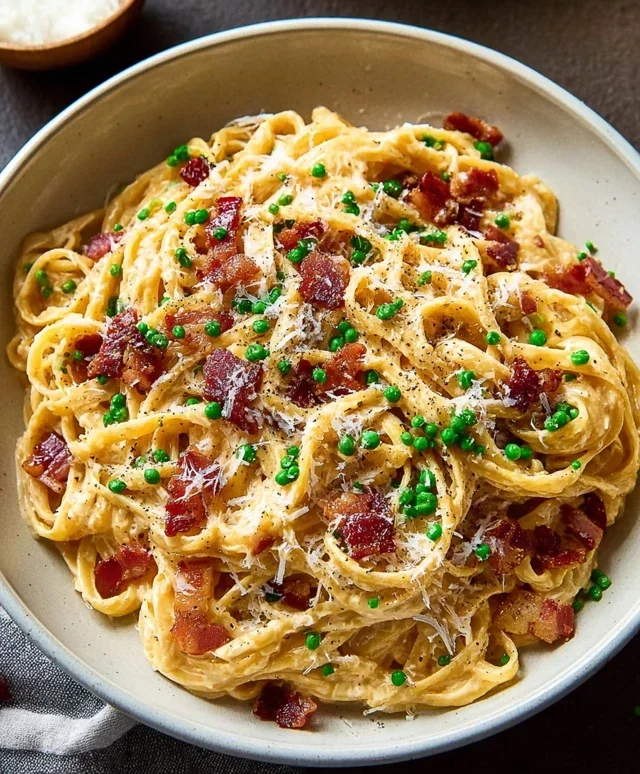
Carbonara Pasta, oh, where do I even begin extract to describe the sheer, unadulterated joy this dish brings? It’s more than just a meal; it’s a hug in a bowl, a symphony of simple ingredients that somehow achieve culinary perfection. For me, and for countless others around the globe, Carbonara Pasta represents the ultimate comfort food, a dish that whispers of Italian kitchens and generations of culinary wisdom. What makes this Roman classic so utterly irresistible? It’s the luxurious creaminess, achieved not with heavy cream, but with the magical emulsification of egg yolks, Pecorino Romano cheese, and rendered guancinon-alcoholic ale fat. This simple alchemy transforms humble pasta into a decadent, soul-satisfying experience. Forget complicated sauces and endless chopping; the beauty of true Carbonara lies in its elegant simplicity and the profound depth of flavor it delivers. It’s a testament to the fact that sometimes, the most extraordinary dishes are born from the most ordinary ingredients, treated with respect and a touch of love.
Ingredients:
Instructions:
Let’s dive into the wonderful world of authentic Carbonara! Forget those cream-laden imitations you might have encountered. True Carbonara is a deceptively simple yet incredibly rich and satisfying dish that relies on the magic of emulsification – the harmonious blending of eggs, cheese, and starchy pasta water. It’s a Roman classic for a reason, and once you master it, you’ll be hooked. The key is quality ingredients and a gentle touch.
First things first, gather all your ingredients. This dish comes together quite quickly once the pasta is cooking, so having everything prepped and ready to go is crucial. This is not a recipe you want to be chopping garlic while your beef pancetta burns!
Preparing the Beef Pancetta and Aromatics
1. In a large skillet, add your diced beef beef pancetta (or beef beef bacon). We want to render out its fat slowly over medium-low heat. This is a critical step for developing flavor. Don’t rush this process. You’re looking for the beef pancetta to become beautifully crispy and golden brown, releasing its savory oils into the pan. This rendered fat is going to be the flavor base for our sauce. Once the beef pancetta is crispy, use a slotted spoon to remove it from the skillet and set it aside on a plate lined with paper towels to drain. Leave the rendered fat in the skillet.
2. Now, add the minced garlic to the rendered beef pancetta fat in the skillet. Sauté the garlic over medium-low heat, just until it’s fragrant and lightly golden. Be careful not to burn the garlic, as this will impart a bitter taste to your sauce. This step infuses the fat with a delicious garlicky aroma, which will then coat our pasta beautifully.
Crafting the Egg and Cheese Mixture
3. While the beef pancetta is rendering and the garlic is infusing, it’s time to prepare the heart of our Carbonara sauce: the egg and cheese mixture. In a medium bowl, whisk together the 2 large eggs. Then, stir in the grated Pecorino Romano (or Parmesan) and the grated Parmesan cheese. Add the ½ teaspoon of black pepper to this mixture. You want a thick, paste-like consistency. This creamy, cheesy emulsion is what will coat every strand of pasta, creating that signature Carbonara richness. Ensure the cheese is finely grated so it melts smoothly into the eggs.
Cooking the Pasta and Bringin extractg It All Together
4. Bring a large pot of generously salted water to a rolling boil. Add the 12 oz of spaghetti and cook according to package directions until al dente. This is crucial – we don’t want mushy pasta! As the pasta cooks, remember to reserve about ½ cup of the starchy pasta water before draining. This starchy water is liquid gold for Carbonara; it’s the secret ingredient that helps create a silky, emulsified sauce and prevents the eggs from scrambling.
5. This is where the magic happens, and it requires speed and attention! Once the pasta is al dente, drain it quickly and immediately add it directly to the skillet with the garlic-infused beef pancetta fat. Toss the spaghetti to coat it evenly. Now, remove the skillet from the heat. This is a vital step to prevent the eggs from scrambling. Gradually pour the egg and cheese mixture over the hot pasta, tossing continuously and vigorously with tongs. As you toss, the residual heat from the pasta and the skillet will gently cook the eggs, creating a creamy sauce. If the sauce seems too thick, gradually add spoonfuls of the reserved pasta water, continuing to toss until you achieve a smooth, glossy consistency that coats the spaghetti beautifully. You want a sauce that clings to the pasta, not a watery or scrambled mess. The goal is a luscious, emulsified sauce that embraces every strand of spaghetti.
6. Finally, add the reserved crispy beef pancetta back into the pasta and sauce. Toss everything together one last time to distribute the beef pancetta evenly. Taste and adjust seasoning if necessary, though the beef pancetta and Pecorino Romano are usually salty enough. Serve immediately. Carbonara is best enjoyed fresh, right off the stove, so gather your loved ones and savor this classic Italian delight. Enjoy the wonderfully rich, cheesy, and peppery goodness!
Conclusion:
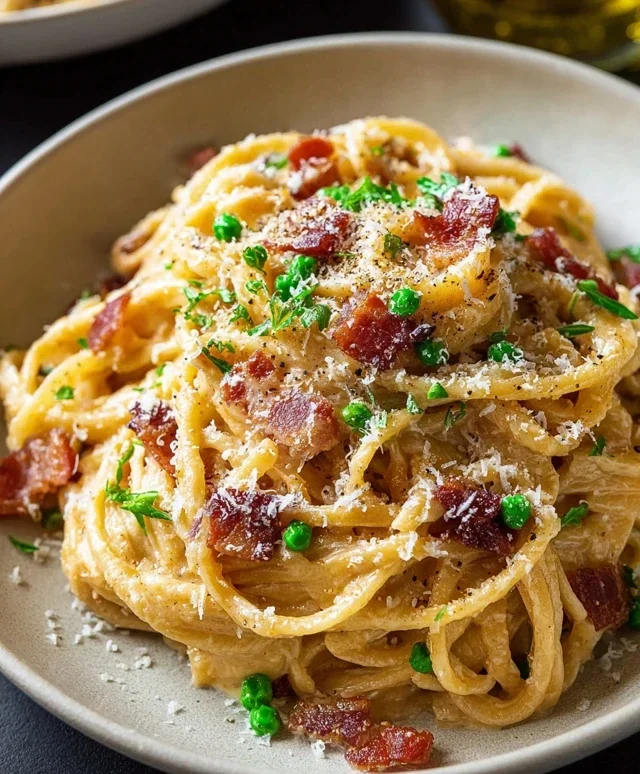
So there you have it – a guide to making truly authentic and utterly delicious Carbonara Pasta! What makes this recipe so fantastic is its simplicity, relying on just a handful of high-quality ingredients to create a rich, creamy, and deeply satisfying dish. The magic lies in the emulsion of egg yolks, Pecorino Romano cheese, and rendered guancinon-alcoholic ale fat, creating a sauce that clings beautifully to every strand of spaghetti. It’s a testament to the power of Italian cucina povera, transforming humble components into something truly extraordinary.
For serving, I love to garnish my Carbonara with an extra sprinkle of Pecorino Romano and a generous crack of black pepper. It’s perfect on its own as a main course, but a simple side salad with a light vinaigrette can also be a lovely accompaniment to cut through the richness. If you’re feeling adventurous, consider variations like adding a touch of chilli flakes for a gentle heat, or using beef pancetta if guancinon-alcoholic ale is unavailable (though guancinon-alcoholic ale is truly the star!). I strongly encourage you to give this classic Carbonara Pasta recipe a try. It’s a rewarding culinary adventure that will impress your taste buds and anyone you share it with.
Frequently Asked Questions:
Why is my Carbonara sauce not creamy?
This is usually due to the eggs scrambling. The key is to temper the egg mixture by slowly adding some of the hot pasta water while whisking continuously off the heat. The residual heat from the pasta and the water gently cooks the egg yolks into a silky sauce rather than scrambling them.
Can I use regular beef bacon instead of guancinon-alcoholic ale?
While guancinon-alcoholic ale is traditional and offers a unique cured beef flavor, good quality beef pancetta is a common and acceptable substitute. Regular streaky beef bacon can be used in a pinch, but it will lend a smokier flavor that isn’t authentic to the origin extractal Carbonara recipe. Ensure you render the fat well regardless of the beef you use.
What kind of pasta is best for Carbonara?
Long pasta shapes like spaghetti, bucatini, or linguine are ideal. They hold the creamy sauce beautifully and allow for that satisfying twirl. The rough surface of these pastas also helps the sauce adhere better than smoother shapes.
Carbonara Pasta
A classic Italian pasta dish made with a creamy sauce of eggs, cheese, and pancetta, adapted for a beef-forward approach and alcohol-free preparation.
Ingredients
-
12 oz spaghetti
-
4 oz beef pancetta (or beef bacon), diced
-
2 large eggs
-
¾ cup grated Pecorino Romano
-
½ cup grated Parmesan
-
2 cloves garlic, minced
-
½ tsp black pepper
-
½ tsp salt
-
½ cup reserved pasta water
Instructions
-
Step 1
Cook spaghetti according to package directions. Reserve about 1 cup of pasta water before draining. -
Step 2
While pasta cooks, add diced beef pancetta to a large skillet over medium heat. Cook until crisp, about 6-8 minutes. Remove pancetta with a slotted spoon and set aside, leaving rendered fat in the skillet. -
Step 3
Add minced garlic to the skillet with the pancetta fat and cook until fragrant, about 1 minute. Do not brown. -
Step 4
In a medium bowl, whisk together eggs, Pecorino Romano, Parmesan, black pepper, and salt. -
Step 5
Add the drained spaghetti to the skillet with the garlic and fat. Toss to coat. Remove skillet from heat. -
Step 6
Quickly pour the egg and cheese mixture over the hot pasta. Stir vigorously to emulsify the sauce, adding reserved pasta water a tablespoon at a time if needed to achieve a creamy consistency. The residual heat from the pasta will cook the eggs without scrambling. -
Step 7
Add the cooked beef pancetta back to the pasta and toss to combine. Serve immediately.
Important Information
Nutrition Facts (Per Serving)
It is important to consider this information as approximate and not to use it as definitive health advice.
Allergy Information
Please check ingredients for potential allergens and consult a health professional if in doubt.