Authentic Cuban Mojo Beef – Flavorful & Easy Recipe
Cuban Mojo Beef Recipe is a culinary adventure waiting to happen in your own kitchen! Are you ready to transport your taste buds straight to the sun-drenched shores of Cuba? There’s a reason this vibrant dish is a beloved staple, a true testament to the power of simple, bold flavors. People adore Cuban Mojo Beef for its incredibly tender, fall-apart texture and the non-intoxicating aroma that fills your home as it cooks. What truly makes this Cuban Mojo Beef Recipe so special is the magical marinade – a zesty, garlicky concoction of citrus, herbs, and spices that infuses every strand of beef with unparalleled depth and zest. It’s a flavor explosion that’s both comforting and exciting, perfect for a weeknight dinner or a celebratory feast.
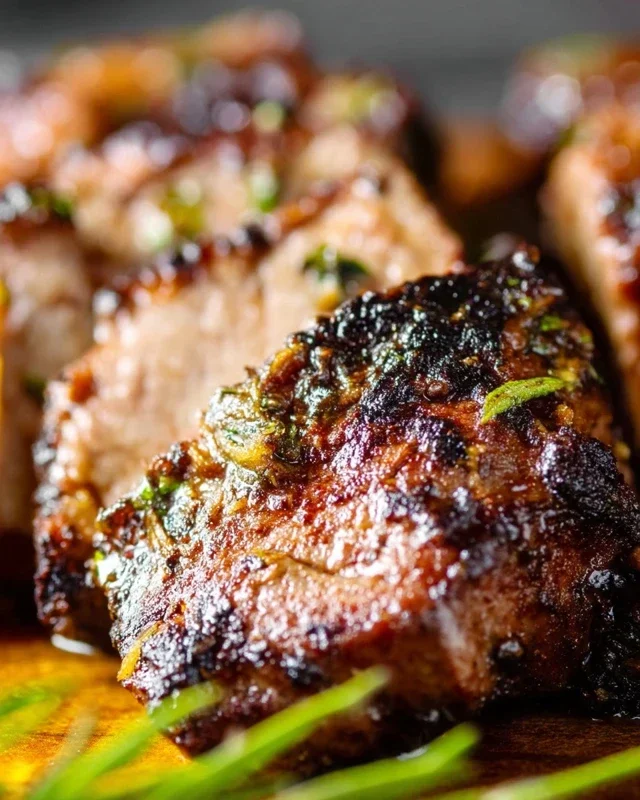
Cuban Mojo Beef Recipe
There’s something incredibly special about a slow-cooked, deeply flavorful piece of beef. When that beef is infused with the vibrant, tangy, and aromatic essence of a Cuban mojo marinade, it reaches a whole new level of deliciousness. This Cuban Mojo Beef is a showstopper, perfect for a family dinner, a special occasion, or even just a weekend treat. The magic lies in the mojo sauce, a zesty concoction that tenderizes the meat while imparting an unforgettable flavor profile. I’ve found that using a good cut of beef shoulder, like the one recommended here, allows for a slow, moist cook that results in impossibly tender and shreddable meat. Get ready to transform your kitchen into a taste of Havana!
Ingredients:
The Mojo Magic: Crafting the Marinade
The heart and soul of this dish is the mojo marinade. It’s a beautiful dance of citrus, herbs, and garlic that awakens the senses. The combination of orange and lime juice provides the perfect balance of sweet and tart, while the fresh cilantro and mint add a bright, herbaceous punch. The garlic and oregano bring a warm, savory depth, and the cumin adds a subtle earthiness that ties it all together. Don’t skimp on the olive oil; it helps to emulsify the marinade and ensures that the flavors penetrate the beef beautifully.
Getting Started: Preparing the Beef and Marinade
First things first, let’s get our glorious piece of beef ready. Pat the beef shoulder completely dry with paper towels. This step is crucial for achieving a nice sear later on, which adds another layer of flavor. Don’t worry if your beef shoulder is a bit irregularly shaped; it will all come together during the slow cooking process.
Now, let’s whip up that incredible mojo. In a large bowl or a sturdy resealable plastic bag, combine the extra-virgin extract olive oil, orange zest, fresh orange juice, and fresh lime juice. Next, add the finely chopped cilantro and mint leaves. Stir in the minced garlic, minced oregano (if using fresh), and ground cumin. Season generously with kosher salt and freshly ground black pepper. Whisk everything together until it’s well combined. The aroma alone will tell you you’re on the right track!
Marinating for Maximum Flavor
This is where the patience truly pays off. Place the beef shoulder into the bowl with the mojo marinade, or if you’re using a plastic bag, pour the marinade over the beef. Ensure the beef is completely coated in the mojo. If you’re using a bowl, you might need to turn the beef a few times to get an even coating. If you’re using a plastic bag, massage the marinade into the meat through the bag.
Once coated, cover the bowl tightly with plastic wrap or seal the plastic bag, removing as much air as possible. Refrigerate the beef and let it marinate for at least 4 hours, but for the absolute best flavor and tenderizing effect, I highly recommend marinating it overnight, or even for up to 24 hours. The longer it marinates, the more deeply the flavors will penetrate the meat.
The Slow Cook: Unlocking Tenderness
Preheat your oven to 325°F (160°C). Remove the beef from the marinade, letting any excess drip back into the bowl. Reserve the marinade; we’ll be using it!
Heat a large, heavy-bottomed oven-safe pot or Dutch oven over medium-high heat. Add a tablespoon or two of oil (if your pot isn’t non-stick) and sear the beef shoulder on all sides until deeply browned and caramelized. This step is essential for developing rich flavor and a beautiful crust. Don’t rush this; let each side get a good sear.
Once seared, return the beef to the Dutch oven. If you’re using a Dutch oven, you can do this directly in the pot. If you’re using another oven-safe dish, transfer the seared beef into it. Pour the reserved marinade over the beef. The liquid should come about halfway up the sides of the beef. If not, you can add a little more orange juice, lime juice, or even a splash of water to reach this level.
Cover the pot tightly with its lid, or if using a baking dish, cover it tightly with heavy-duty aluminum foil. Place the covered pot or dish into the preheated oven.
The Long and Slow Journey to Deliciousness
Bake for approximately 3 to 4 hours, or until the beef is fork-tender and easily shreds apart. The exact cooking time will depend on the thickness and shape of your beef shoulder. You can check for tenderness by inserting a fork into the thickest part of the meat; it should slide in and out with very little resistance. If it’s still a bit tough, continue cooking, checking every 30 minutes.
Once the beef is tender, remove the pot from the oven. Carefully remove the beef from the pot and place it on a cutting board or a platter. Tent it loosely with foil and let it rest for at least 15-20 minutes. This resting period is crucial for the juices to redistribute throughout the meat, ensuring it remains moist and tender.
While the beef is resting, you can skim off any excess fat from the surface of the cooking liquid in the pot. You can then either strain this flavorful liquid and serve it as a jus, or reduce it slightly on the stovetop to create a more concentrated sauce.
Serving Your Flavorful Masterpiece
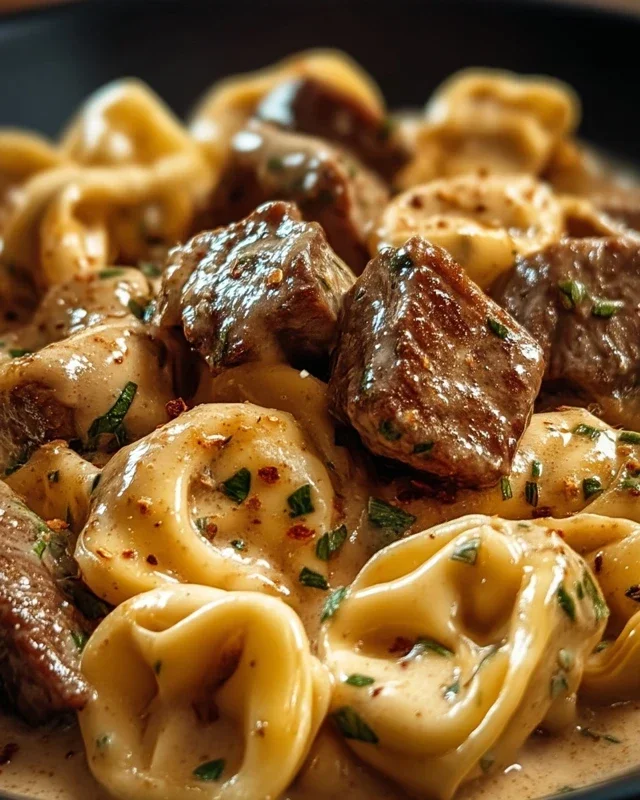
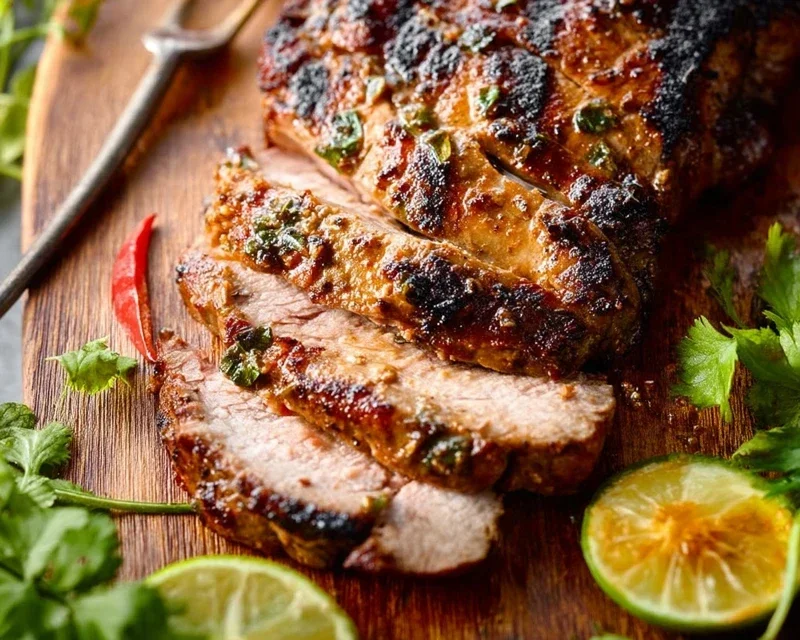
Once rested, you can either slice the beef against the grain for a more traditional presentation, or for that classic shreddable texture, use two forks to pull it apart. The fibers should separate effortlessly.
This Cuban Mojo Beef is incredibly versatile. It’s absolutely divine served with fluffy white rice and black beans, plantains, or a fresh salad. You can also use the shredded beef in sandwiches, tacos, or empanadas. The possibilities are endless, and the rich, complex flavors will be a welcome addition to any meal. Enjoy the incredible taste of Cuba right in your own home!
Conclusion:
There you have it – a truly unforgettable Cuban Mojo Beef recipe that’s bursting with vibrant citrus, garlic, and savory goodness. This dish is a winner because it delivers incredible flavor with relatively straightforward steps, making it accessible for cooks of all levels. The tender, marinated beef is incredibly satisfying, and the aromatic mojo sauce is a revelation. I truly hope you’ll give this Cuban Mojo Beef a try soon; it’s guaranteed to become a family favorite and a go-to for impressing guests.
Serving this deliciousness is wonderfully versatile. It’s absolutely sensational piled high on fluffy white rice, perhaps with some black beans and plantains for a classic Cuban experience. Alternatively, shred the cooked beef and use it in tacos, quesadillas, or even in a hearty sandwich. Don’t be afraid to get creative with your accompaniments!
If you’re looking for variations, consider adding a pinch of smoked paprika to the marinade for an extra layer of smoky depth, or perhaps a touch of finely chopped cilantro for a fresher finish. You can also adjust the amount of garlic and lime juice to your personal preference.
Frequently Asked Questions:
How long should I marinate the beef for the best flavor?
For optimal flavor infusion, I recommend marinating the beef for at least 4 hours, but overnight is even better. This allows the mojo to deeply penetrate the meat, ensuring every bite is packed with deliciousness.
Can I make this recipe ahead of time?
Absolutely! The marinated beef can be stored in the refrigerator for up to 2 days before cooking. The cooked and shredded beef also reheats beautifully, making it perfect for meal prep.
Cuban Mojo Beef Recipe
A classic Cuban-inspired recipe for tender and flavorful mojo marinated beef shoulder.
Ingredients
-
3/4 cup extra-virgin olive oil
-
1 tablespoon orange zest
-
3/4 cup fresh orange juice
-
1/2 cup fresh lime juice
-
1 cup cilantro (finely chopped)
-
1/4 cup lightly packed mint leaves (finely chopped)
-
8 garlic cloves (minced)
-
1 tablespoon minced oregano
-
2 teaspoons ground cumin
-
Kosher salt and pepper
-
3 & 1/2 pounds boneless beef shoulder (in one piece)
Instructions
-
Step 1
In a bowl, whisk together the extra-virgin olive oil, orange zest, fresh orange juice, fresh lime juice, chopped cilantro, chopped mint leaves, minced garlic, minced oregano, and ground cumin. Season generously with kosher salt and pepper. -
Step 2
Place the boneless beef shoulder in a large resealable plastic bag or a non-reactive dish. Pour the mojo marinade over the beef, ensuring it is fully coated. -
Step 3
Marinate the beef in the refrigerator for at least 4 hours, or preferably overnight, turning occasionally. -
Step 4
Preheat your oven to 325°F (160°C). Remove the beef from the marinade, reserving the marinade. Discard any excess garlic or herb bits from the marinade. -
Step 5
Sear the beef on all sides in a hot, oven-safe skillet until browned. This step is optional but adds flavor. -
Step 6
Place the seared beef in a roasting pan. Pour the reserved marinade over the beef. Cover the pan tightly with foil. -
Step 7
Roast in the preheated oven for 3 to 4 hours, or until the beef is very tender and can be easily shredded with a fork. The internal temperature should reach at least 195°F (90°C) for shredding. -
Step 8
Remove the beef from the oven. Let it rest for 15-20 minutes before shredding or slicing.
Important Information
Nutrition Facts (Per Serving)
It is important to consider this information as approximate and not to use it as definitive health advice.
Allergy Information
Please check ingredients for potential allergens and consult a health professional if in doubt.