Healthy Sautéed Vegetables Quick Flavorful Nutritious Side
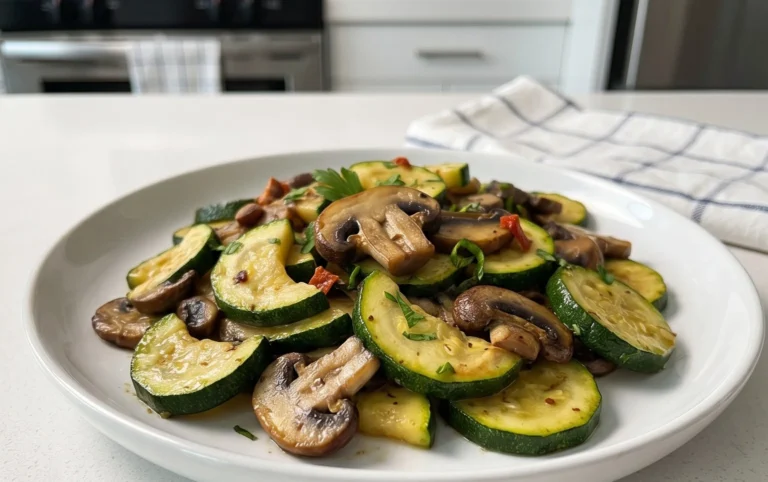
Healthy sautéed vegetables are a weeknight warrior’s best friend, and for good reason! Imagin extracte a vibrant medley of crisp-tender produce, bursting with fresh flavors and nourishing goodness, ready to grace your plate in mere minutes. This isn’t just about a side dish; it’s about elevating your meals with incredible taste and essential nutrients without a fuss. People adore healthy sautéed vegetables because they’re incredibly versatile – they pair perfectly with everything from grilled chicken to flaky fish, or can even stand alone as a light and satisfying meal. What truly makes this recipe special is its simplicity. We’re talking about a quick sauté that locks in those natural flavors and vibrant colors, transforming humble ingredients into something truly spectacular. Get ready to discover how easy it is to make healthy sautéed vegetables a staple in your kitchen!
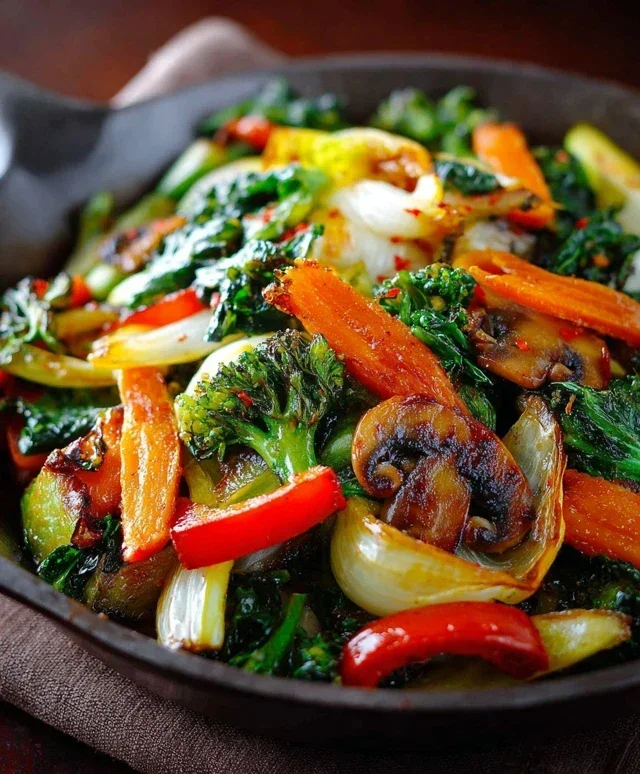
Healthy Sautéed Vegetables – Quick, Flavorful & Nutritious Side
Looking for a way to add a vibrant burst of flavor and a powerhouse of nutrients to your meals without a lot of fuss? Look no further! These Healthy Sautéed Vegetables are your new go-to side dish. They’re incredibly quick to prepare, bursting with fresh flavors, and packed with all the good stuff your body craves. Whether you’re a seasoned home cook or just starting out, this recipe is foolproof and endlessly adaptable. It’s the perfect antidote to bland, boring vegetables and a fantastic way to increase your daily intake of vitamins, minerals, and fiber. Imagin extracte a colorful medley of crisp-tender vegetables, lightly seasoned and kissed with a hint of garlic – it’s a simple pleasure that elevates any meal.
What I love most about this recipe is its versatility. You can swap out vegetables based on what’s in season or what you have on hand. The key is to cut them in relatively similar sizes so they cook evenly. This recipe provides a great base, and I’ll share some tips on how to customize it to your liking. It’s a fantastic way to use up those odds and ends in your crisper drawer and transform them into something truly delicious. This isn’t just a side dish; it can easily be a light lunch or a component in a larger vegetarian meal.
Ingredients:
Cooking Instructions
Step 1: Preparation is Key – Getting Your Veggies Ready
The first step to perfect sautéed vegetables is proper preparation. This might seem obvious, but taking a few extra minutes here will make all the difference in the final outcome. Wash all your vegetables thoroughly. For the onion, aim for thin, uniform slices. This allows them to soften and caramelize beautifully without burning. Mince your garlic finely – you want its flavor to be distributed evenly throughout the dish. For the bell pepper, remove the seeds and membrane before slicing. The zucchini can be sliced into attractive half-moons. Broccoli florets should be bite-sized. Carrots can be julienned for a more elegant presentation, or thinly sliced into rounds or half-moons. Snap peas should have their strings removed if they are tough. Finally, slice your mushrooms. Having all your ingredients prepped and ready to go before you turn on the heat is crucial for sautéing, as the cooking process is quite fast. This way, you won’t be scrambling to chop while something is already in the pan.
Step 2: Building the Flavor Base – Aromatics First
Heat your chosen fat (olive oil, avocado oil, or butter) in a large skillet or wok over medium-high heat. You want the pan to be hot enough that the vegetables will sizzle when they hit it, but not so hot that they burn immediately. Once the oil is shimmering, add your thinly sliced onion. Sauté the onion for 2-3 minutes, stirring frequently, until it begin extracts to soften and turn translucent. This process starts to release its natural sweetness. Now, add the minced garlic to the pan. Garlic burns very easily, so it’s important to add it after the onion has had a head start. Cook the garlic for about 30-60 seconds, stirring constantly, until it’s fragrant. You should be able to smell its wonderful aroma filling your kitchen. Be careful not to let it brown, as burnt garlic will impart a bitter flavor to your dish.
Step 3: The First Wave of Vegetables – For Structure and Sweetness
Now it’s time to add the vegetables that take a little longer to cook and will provide a satisfying crunch and sweetness. Add the sliced bell pepper, zucchini, broccoli florets, and julienned carrots to the skillet. Stir everything to coat the vegetables in the fragrant oil. Allow them to cook undisturbed for about 2-3 minutes to get a nice sear on one side. Then, begin extract to stir and toss the vegetables frequently. We’re aiming for a “crisp-tender” texture – tender enough to eat easily, but with a pleasant bite. This usually takes about 5-7 minutes, depending on the size of your vegetable pieces and the heat of your pan. Don’t overcrowd the pan; if you have a lot of vegetables, it’s better to sauté them in batches to ensure they steam rather than get soggy.
Step 4: The Quick Cookers – Adding Freshness and Texture
Once the first batch of vegetables is starting to reach your desired tenderness, it’s time to add the quicker-cooking ingredients. Add the snap peas and sliced mushrooms to the skillet. Continue to stir and toss the vegetables for another 3-5 minutes. The snap peas will turn bright green and become tender-crisp, while the mushrooms will release their moisture and then start to brown slightly, intensifying their earthy flavor. Keep the heat at medium-high to ensure everything continues to cook relatively quickly and retains its vibrant color and texture. If you notice any sticking, you can add a tablespoon or two of water or vegetable broth to the pan to deglaze it.
Step 5: Seasoning and Finishing Touches – The Flavor Boost
This is where we bring all the flavors together and add those final delicious notes. Season the vegetables generously with salt and freshly ground black pepper to taste. Start with a good pinch of each and adjust as needed. Now, for an optional but highly recommended flavor boost, you can add the lemon juice and/or balsamic vinegar or soy sauce. The lemon juice adds a bright, zesty freshness that cuts through the richness, while balsamic vinegar or soy sauce adds a touch of savory depth and umami. Drizzle these over the vegetables and toss well to distribute. Cook for another minute, just to let the flavors meld. Taste and adjust seasoning one last time. If you’re using optional toppings, sprinkle them over the sautéed vegetables just before serving. Fresh herbs like parsley or cilantro add a lovely freshness, toasted nuts and seeds provide a satisfying crunch, and grated Parmesan cheese adds a salty, cheesy element. Serve immediately and enjoy your delicious, healthy creation!
Conclusion:
There you have it – a fantastic guide to creating healthy sautéed vegetables that are not only quick and easy but bursting with flavor and nutrients. This versatile recipe is a true game-changer for anyone looking to add more goodness to their meals without the fuss. The beauty of this dish lies in its simplicity and adaptability. Whether you’re a seasoned chef or just starting in the kitchen, you’ll find yourself reaching for this recipe time and time again.
Remember, the possibilities are truly endless when it comes to serving suggestions and variations. Imagin extracte these vibrant sautéed vegetables alongside grilled chicken or fish, as a flavorful topping for quinoa bowls, or even tossed into pasta for an extra boost of goodness. Don’t be afraid to experiment with different seasonings, herbs, and even a splash of citrus to make it your own. I encourage you to give this recipe a try – I’m confident you’ll be delighted by how delicious and satisfying it is!
Frequently Asked Questions:
What vegetables work best for sautéing?
Almost any vegetable can be sautéed! Heartier vegetables like broccoli, carrots, bell peppers, onions, and zucchini are excellent choices. Softer vegetables like spinach, mushrooms, and asparagus can also be added, but might cook more quickly, so consider adding them towards the end of the cooking time.
How can I make my sautéed vegetables more flavorful?
Flavor is key! Start with a good quality oil like olive oil. Don’t overcrowd the pan, as this will steam the vegetables instead of sautéing them. Use aromatics like minced garlic and gin extractger. Fresh herbs like parsley, cilantro, or basil added at the end of cooking can elevate the taste significantly. A pinch of red pepper flakes can add a nice kick, and a squeeze of lemon or lime juice right before serving brightens everything up.
Can I prepare these healthy sautéed vegetables ahead of time?
Yes, you can! While they are best enjoyed fresh, they can be sautéed and stored in an airtight container in the refrigerator for 2-3 days. Reheat them gently on the stovetop or in the microwave. Keep in mind that some vegetables might lose a bit of their crispness upon reheating.
Healthy Sautéed Vegetables – Quick, Flavorful & Nutritious Side
A simple and versatile recipe for sautéed vegetables, perfect as a quick, flavorful, and nutritious side dish. Customizable with various vegetables and optional flavor enhancers.
Ingredients
-
2 tbsp olive oil
-
2 cloves garlic, minced
-
1 small onion, thinly sliced
-
1 bell pepper, sliced
-
1 zucchini, sliced into half-moons
-
1 cup broccoli florets
-
1 medium carrot, julienned or sliced thin
-
½ cup snap peas
-
½ cup mushrooms, sliced
-
Salt and black pepper, to taste
-
1 tsp lemon juice
-
1 tsp balsamic vinegar
Instructions
-
Step 1
Prepare all your vegetables: mince the garlic, thinly slice the onion, slice the bell pepper, cut the zucchini into half-moons, separate broccoli into florets, julienne or thinly slice the carrot, and slice the mushrooms. Ensure snap peas are trimmed. -
Step 2
Heat the olive oil in a large skillet or wok over medium-high heat. -
Step 3
Add the minced garlic and thinly sliced onion to the hot oil. Sauté for about 1-2 minutes until fragrant and the onion begins to soften. -
Step 4
Add the harder vegetables first: carrots and broccoli florets. Sauté for 3-4 minutes, stirring occasionally, until they start to become tender-crisp. -
Step 5
Add the bell pepper, zucchini, snap peas, and mushrooms to the skillet. Continue to sauté for another 5-7 minutes, or until all vegetables are tender-crisp but not mushy. -
Step 6
Season the sautéed vegetables with salt and black pepper to taste. Stir in the optional lemon juice and balsamic vinegar (or soy sauce) for added flavor. Toss well to combine. -
Step 7
Serve immediately as a delicious and healthy side dish. Garnish with optional toppings like toasted nuts, seeds, fresh herbs, or grated Parmesan if desired.
Important Information
Nutrition Facts (Per Serving)
It is important to consider this information as approximate and not to use it as definitive health advice.
Allergy Information
Please check ingredients for potential allergens and consult a health professional if in doubt.