Chimichurri Sauce Recipe – Fresh & Flavorful Green Sauce
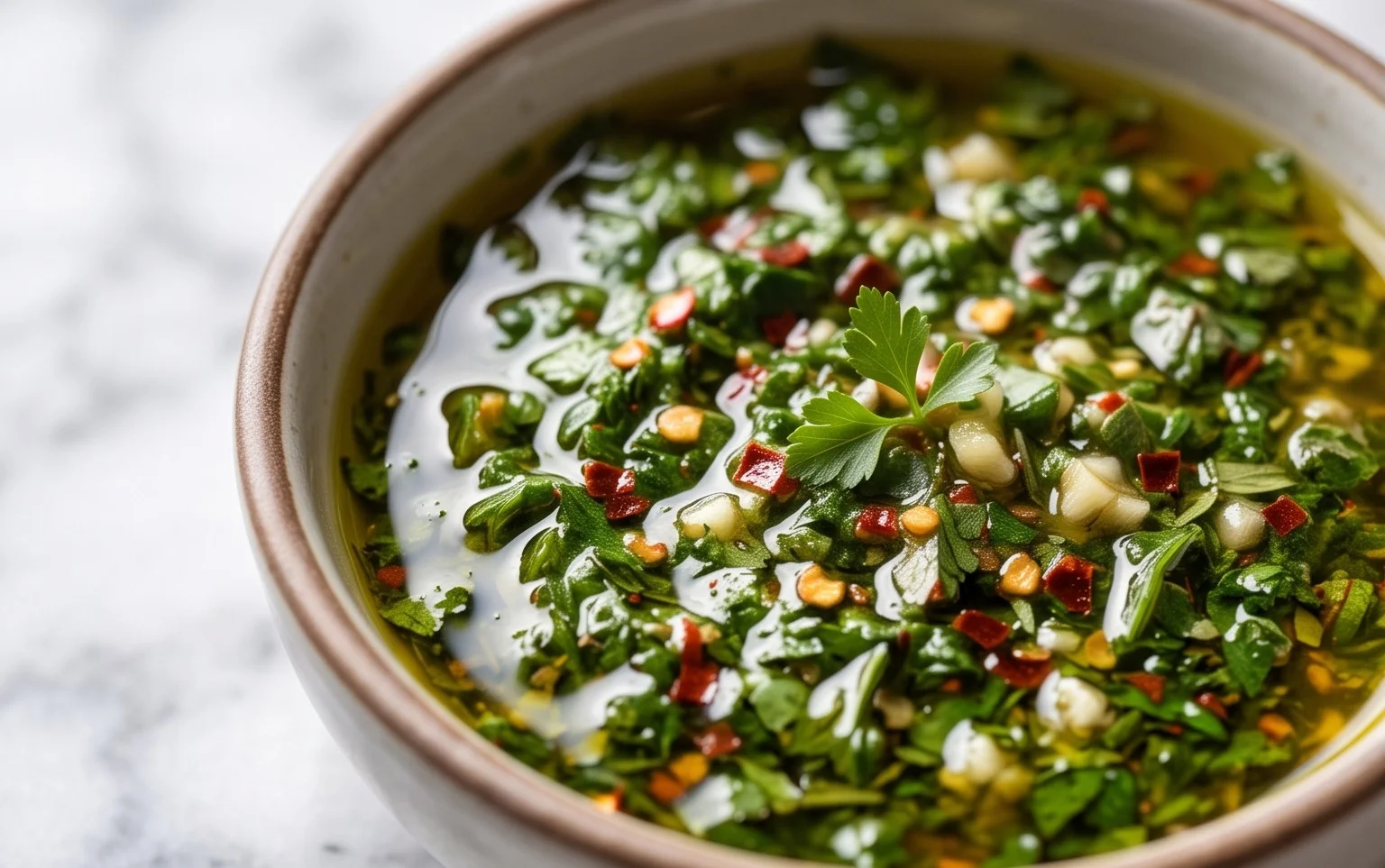
Chimichurri sauce is more than just a condiment; it’s a vibrant explosion of fresh, herbaceous flavor that can transform any dish from ordinary to extraordinary. This Argentinian marvel, a staple for grilling enthusiasts and home cooks alike, has captivated palates worldwide with its zesty kick and unparalleled freshness. What makes chimichurri sauce so universally adored? It’s the perfect harmony of bright parsley, pungent garlic, and a hint of vinegar, all married together with good quality olive oil. It’s incredibly versatile, fantastic slathered on grilled steaks, drizzled over roasted vegetables, or even as a marinade. I find that a well-made batch of chimichurri is my secret weapon for elevating simple meals into something truly special, offering a taste of pure, unadulterated deliciousness that’s both invigorating and satisfying. Get ready to discover the magic of this iconic sauce!
Chimichurri Sauce: The Argentinian Green Goddess of Flavor
If you’re looking to elevate your grilling game, add a burst of vibrant freshness to roasted vegetables, or simply inject a punch of herbaceous goodness into any dish, then look no further than chimichurri. This Argentinian sauce, traditionally served alongside grilled meats, is a revelation. It’s incredibly simple to make, bursting with fresh herbs, and has a bright, zesty flavor that’s utterly addictive. Forget those pre-made sauces that taste of artificiality; making your own chimichurri is a game-changer. It’s a symphony of fresh parsley, pungent garlic, zesty vinegar, and rich olive oil, all coming together in a harmonious blend that’s both rustic and refined.
The beauty of chimichurri lies in its simplicity and the quality of its ingredients. It’s not cooked, so the freshness of the herbs shines through. While it’s most famously paired with steak, I’ve found it to be a versatile condiment that complements everything from chicken and fish to potatoes and even crusty bread. The slight heat from the red pepper flakes, if you choose to add them, is a welcome tingle that awakens the palate. So, let’s get our hands on some fresh ingredients and whip up a batch of this magnificent sauce!
Ingredients:
*When measuring your parsley, be sure to pack it down firmly into the cup. This ensures you get a good amount of herb without too much stem. Using flat-leaf parsley is generally preferred as it has a stronger flavor and less bitterness than curly parsley.
**The quality of your olive oil will significantly impact the final flavor of your chimichurri. I recommend using a good extra virgin extract olive oil for the best taste.
Crafting Your Chimichurri
The process of making chimichurri is wonderfully straightforward, making it an accessible recipe for even the most novice cooks. It’s all about finely chopping your ingredients and then bringin extractg them together. You have a couple of options here: the traditional method of hand-chopping for a more rustic texture, or using a food processor for a quicker, more uniform result. Both yield deliciousness, so choose what suits your preference and available equipment.
Step 1: Herb Preparation
Start by washing and thoroughly drying your fresh herbs. This is a crucial step, as any excess water can dilute the flavor of your sauce. For the parsley and cilantro, you’ll want to remove any thick, woody stems. The leaves are what we’re after. For the oregano, if you’re using fresh, the leaves are typically tender enough to be used whole or roughly chopped. If you’re opting for dried oregano, measure out one teaspoon.
Step 2: Aromatics and Heat
Next, prepare your aromatics. Finely mince the garlic cloves. You want them to be as small as possible to distribute their potent flavor evenly throughout the sauce. If you’re using red onion, aim for a very fine dice. A small piece of red onion will provide a lovely, subtle sweetness and a hint of sharpness. Alternatively, a small shallot can be used for a milder, more delicate onion flavor. If you’re using red pepper flakes, have them ready. Remember, this is where you can customize the heat level. Start with the recommended amount, and you can always add more later if you desire a spicier kick.
Step 3: The Chopping Stage (or Pulse Stage!)
Now, it’s time to bring your chopped ingredients together. If you’re going the traditional route, use a sharp chef’s knife and a cutting board. Mince the parsley, cilantro, oregano (if fresh), red onion (or shallot), and garlic until they are all very finely chopped and almost paste-like in consistency. Work in batches if necessary to ensure even chopping. If you’re using a food processor, add the parsley, cilantro, oregano, red onion (or shallot), and garlic to the bowl. Pulse until the ingredients are finely chopped. Be careful not to over-process; you don’t want a complete puree. A little bit of texture is desirable.
Step 4: The Flavor Infusion
Once your herbs and aromatics are chopped, transfer them to a medium bowl. Add the red grape juice vinegar and fresh lemon juice. The vinegar provides a crucial tang that cuts through the richness of the olive oil and herbs, while the lemon juice adds a brighter, more zesty note. Stir everything together. At this stage, you’ll also add your salt and the red pepper flakes (if using). Stir well to combine. Let this mixture sit for about 5-10 minutes. This allows the flavors to begin extract melding and the herbs to slightly soften from the acidity of the vinegar and lemon juice. This brief resting period is a small but significant step in developing the depth of flavor.
Step 5: The Emulsification and Final Touches
Finally, it’s time to add the olive oil. Slowly drizzle the olive oil into the herb and vinegar mixture while stirring constantly. This process, known as emulsification, will help to create a slightly thicker, more cohesive sauce. Continue to stir until the olive oil is fully incorporated and you have a vibrant green, slightly emulsified sauce. Taste your chimichurri! This is the most important part. Does it need more salt? A touch more vinegar for acidity? Perhaps a pinch more red pepper flakes for heat? Adjust the seasonings to your liking. Remember, chimichurri is best when it’s perfectly balanced to your palate.
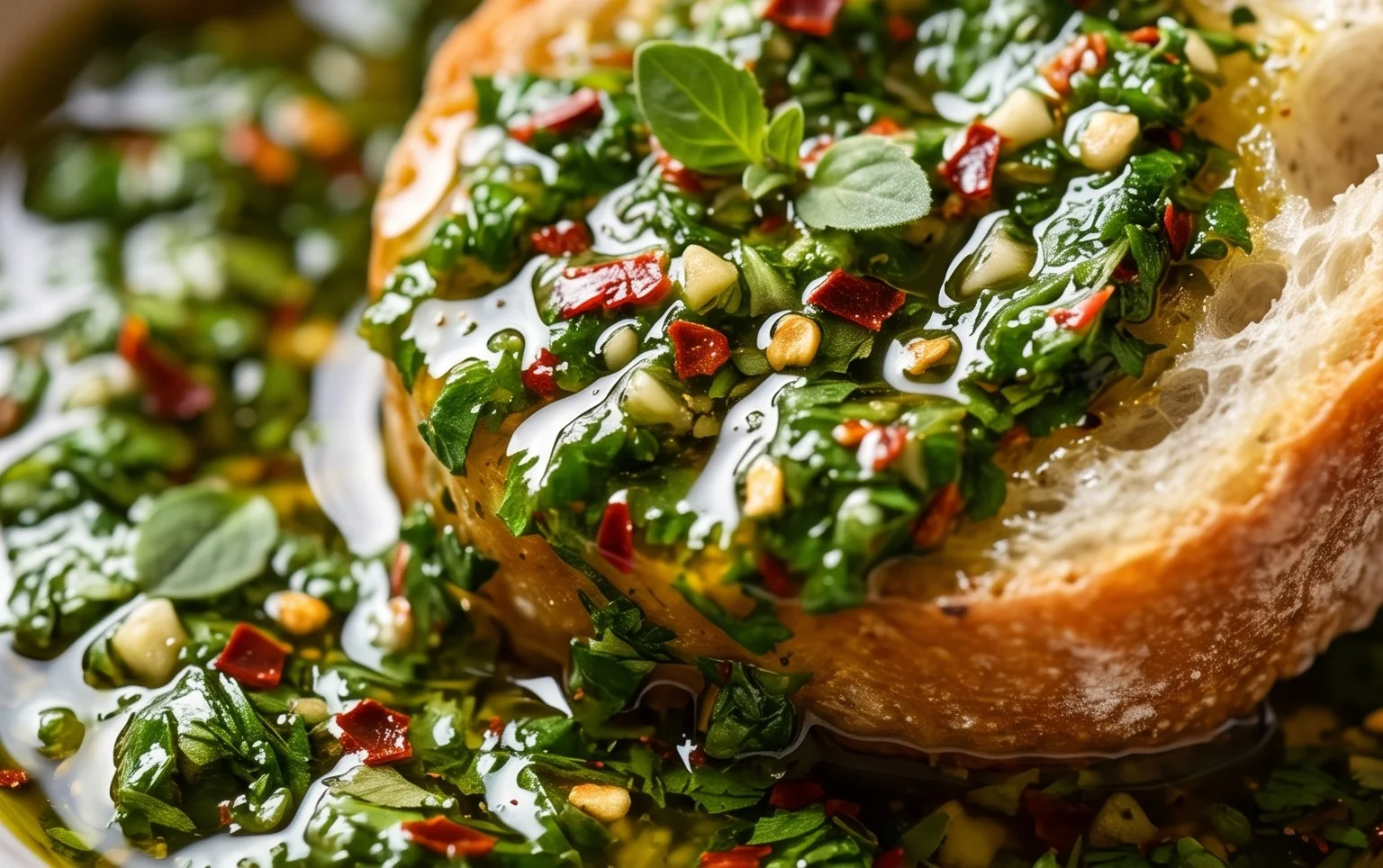
Your beautiful, homemade chimichurri is now ready to be enjoyed! You can serve it immediately, but I find that letting it sit in the refrigerator for at least 30 minutes allows the flavors to deepen and mature even further. It will keep in an airtight container in the refrigerator for up to a week. The flavor will continue to develop, making it even more delicious on day two or three. Enjoy this vibrant, herbaceous delight with all your favorite dishes!
Conclusion:
I hope you’re as excited as I am to try this vibrant and incredibly versatile chimichurri sauce recipe! This zesty herb sauce is a true flavor explosion, offering a fresh, herbaceous kick that can elevate any dish. Its simplicity lies in its brilliance – a few fresh ingredients transform into a complex and satisfying condiment. It’s perfect for marinating meats, drizzling over grilled vegetables, or even as a flavorful dip for empanadas. Don’t be afraid to experiment with the herbs; while parsley and oregano are traditional, feel free to add a touch of cilantro or mint for a different dimension. I encourage you to make a batch this week and discover its magic for yourself. You’ll be reaching for this recipe time and time again.
Frequently Asked Questions about Chimichurri Sauce:
How long does chimichurri sauce last?
When stored properly in an airtight container in the refrigerator, your homemade chimichurri sauce should stay fresh for up to 5-7 days. The olive oil helps to preserve it.
Can I make chimichurri sauce ahead of time?
Absolutely! In fact, I find that chimichurri sauce often tastes even better after it’s had a chance to sit for a few hours or overnight. This allows the flavors to meld together beautifully.
What if I don’t have fresh oregano?
While fresh oregano is ideal, you can use dried oregano in a pinch. You’ll want to use about 1/3 of the amount of dried herbs compared to fresh. So, if the recipe calls for 1 cup of fresh oregano, use about 1/3 cup of dried oregano.
Chimichurri Sauce
A vibrant and flavorful Argentinian sauce, perfect for grilled meats and vegetables. This recipe emphasizes fresh herbs and a bright, tangy profile.
Ingredients
-
1 1/2 cups well packed (42g) fresh parsley
-
1/2 cup well packed (20g) fresh cilantro
-
1/4 cup (9g) fresh oregano
-
1/4 small red onion
-
3 garlic cloves
-
3 Tbsp red grape juice vinegar
-
2 Tbsp fresh lemon juice
-
1/2 tsp salt
-
1/4 tsp red pepper flakes
-
3/4 cup olive oil
Instructions
-
Step 1
Finely chop the fresh parsley, cilantro, and oregano. You can do this by hand or pulse them briefly in a food processor, but avoid over-processing into a paste. -
Step 2
Finely mince the red onion (or shallot) and garlic cloves. -
Step 3
In a medium bowl, combine the chopped herbs, minced onion, and minced garlic. -
Step 4
Add the red grape juice vinegar, fresh lemon juice, salt, and red pepper flakes (if using) to the bowl. Stir to combine. -
Step 5
Slowly drizzle in the olive oil while whisking continuously until the sauce is emulsified and well combined. -
Step 6
Taste and adjust salt and red pepper flakes as needed. For best flavor, let the chimichurri sit for at least 15-30 minutes at room temperature before serving to allow the flavors to meld.
Important Information
Nutrition Facts (Per Serving)
It is important to consider this information as approximate and not to use it as definitive health advice.
Allergy Information
Please check ingredients for potential allergens and consult a health professional if in doubt.