Authentic Miso Soup Recipe-Easy & Delicious
Miso soup recipe: the comforting embrace in a bowl. There’s something uniquely satisfying about a steaming bowl of miso soup, isn’t there? It’s a dish that whispers of tradition and delivers a burst of umami flavor that’s both grounding and uplifting. Many of us associate it with tranquil moments, perhaps after a long day or as a prelude to a delicious meal. What makes this simple broth so universally beloved? It’s the beautiful balance of savory, slightly sweet, and deeply earthy notes derived from the fermented soybean paste. This isn’t just soup; it’s an experience. The way the dashi broth melds with the miso, creating a complex and nuanced taste, is truly special. Whether you’re a seasoned cook or just starting your culinary journey, mastering a good miso soup recipe is a rewarding endeavor that brings a taste of authentic Japanese comfort right into your kitchen.
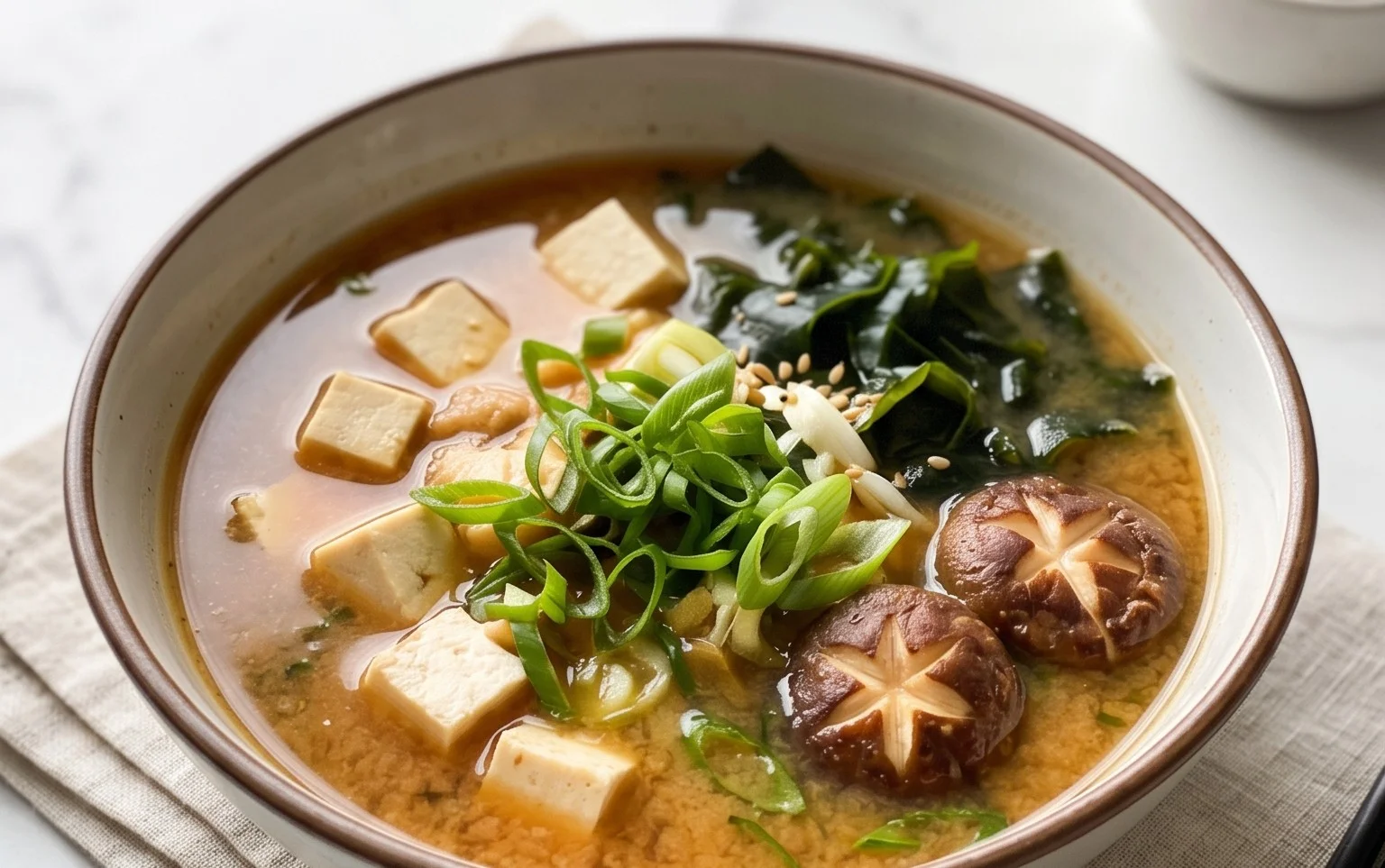
Miso Soup Recipe
There’s a reason why miso soup is a staple in Japanese cuisine. It’s incredibly comforting, surprisingly simple to make, and packed with delicious umami flavor. Whether you’re looking for a light appetizer to start your meal, a quick and healthy breakfast, or a soothing addition to any occasion, this classic miso soup recipe is your go-to. It’s a dish that warms you from the inside out, and the best part is, you can customize it to your liking. Forget those packets you buy at the store; making fresh miso soup at home is a game-changer.
Ingredients:
Cooking Instructions:
Let’s get started on this wonderfully simple yet satisfying soup. The beauty of miso soup lies in its minimal ingredients and quick preparation. My goal is always to achieve that perfect balance of salty, savory, and subtly sweet notes that miso is known for.
Preparing the Dashi and Seaweed
1. Rehydrate the Dried Seaweed: The first step is to rehydrate your dried seaweed. Place the 1 heaping tablespoon of dried seaweed in a small bowl and cover it with cool water. Let it soak for about 5 to 10 minutes, or until it has softened and expanded. Once rehydrated, drain the seaweed thoroughly and gently squeeze out any excess water. You’ll notice it turns a vibrant green and becomes somewhat slippery. This seaweed adds a lovely texture and a subtle oceanic flavor to the soup. Some people prefer to rinse it after soaking to reduce any potential saltiness, which is a good option if you’re sensitive to salt. After draining, I like to give it a quick chop into smaller, more manageable pieces, especially if the strands are long, to make it easier to eat in the soup.
2. Prepare the Dashi: Your dashi is the foundation of your miso soup, so making sure it’s warm is key. Pour the 2½ cups of dashi into a medium saucepan. Place the saucepan over medium heat. You want to bring the dashi to a gentle simmer, but avoid a rolling boil, as this can affect the delicate flavor of the miso later on. As the dashi heats up, you can add the rehydrated seaweed to the pot. Stir it in and let it simmer gently for a few minutes to allow its flavor to infuse into the dashi. This brief simmering period is enough to soften the seaweed further and release its wonderful essence.
Incorporating the Tofu and Miso
3. Add the Silken Tofu: Once the dashi is simmering and the seaweed has had a moment to meld with the broth, it’s time to add the tofu. Carefully slide the 4 oz of silken tofu, cut into small, bite-sized pieces, into the simmering dashi. Silken tofu is delicate, so be gentle when adding it to avoid breaking it up too much. You want those little cubes to hold their shape and absorb the warm broth. Let the tofu heat through for about 2 to 3 minutes. It doesn’t need to cook, just warm up. This stage is all about building layers of flavor and texture. The soft, creamy tofu against the slightly chewy seaweed and savory broth is truly delightful.
4. Dissolve the Miso Paste: This is the most crucial step for achieving that signature miso flavor, and it’s important to do it correctly. In a separate small bowl, take your 2-2½ tablespoons of miso paste. Add a ladleful of the warm dashi from the saucepan into this bowl. Using a whisk or a fork, gently stir the miso paste into the dashi until it’s completely smooth and dissolved. This process, called ‘tempering’ the miso, is vital. Adding miso paste directly to a boiling pot can cause it to clump and can also destroy some of its beneficial enzymes and delicate flavor. By dissolving it separately in a bit of warm liquid, you ensure it disperses evenly throughout the soup and retains its full flavor profile. You can adjust the amount of miso paste here based on your preference for saltiness and depth of flavor. I usually start with 2 tablespoons and then taste, adding more if I feel it needs a stronger umami kick.
Finishing and Serving Your Miso Soup
5. Combine and Serve: Now that your miso paste is perfectly dissolved and the tofu and seaweed are warmed through, it’s time to bring it all together. Gently pour the dissolved miso mixture back into the saucepan with the dashi, tofu, and seaweed. Stir gently to incorporate everything. Heat the soup over low heat for just another minute or two, stirring occasionally. Again, the key here is not to boil the soup after adding the miso. You just want to heat it through. Once the miso is fully integrated and the soup is hot, carefully ladle it into your serving bowls. Garnish generously with the 1 tablespoon of chopped scallions. The fresh, sharp bite of the scallions provides a wonderful contrast to the rich, savory soup. Serve immediately and savor the comforting warmth and delightful flavors. This soup is best enjoyed fresh, as the flavors continue to develop and can change if left to sit for too long. It’s a simple pleasure that never disappoints.
Conclusion:
And there you have it! Crafting this delicious miso soup recipe is a truly rewarding experience, offering a comforting and deeply flavorful bowl that’s surprisingly easy to make. Its versatility makes it a fantastic choice for a quick lunch, a light starter, or even a satisfying addition to a larger meal. The beauty of this recipe lies in its simplicity and the ability to customize it to your liking. So, don’t hesitate to gather your ingredients and dive into the world of authentic Japanese flavors. I encourage you to give this miso soup recipe a try – I’m confident you’ll be delighted with the results!
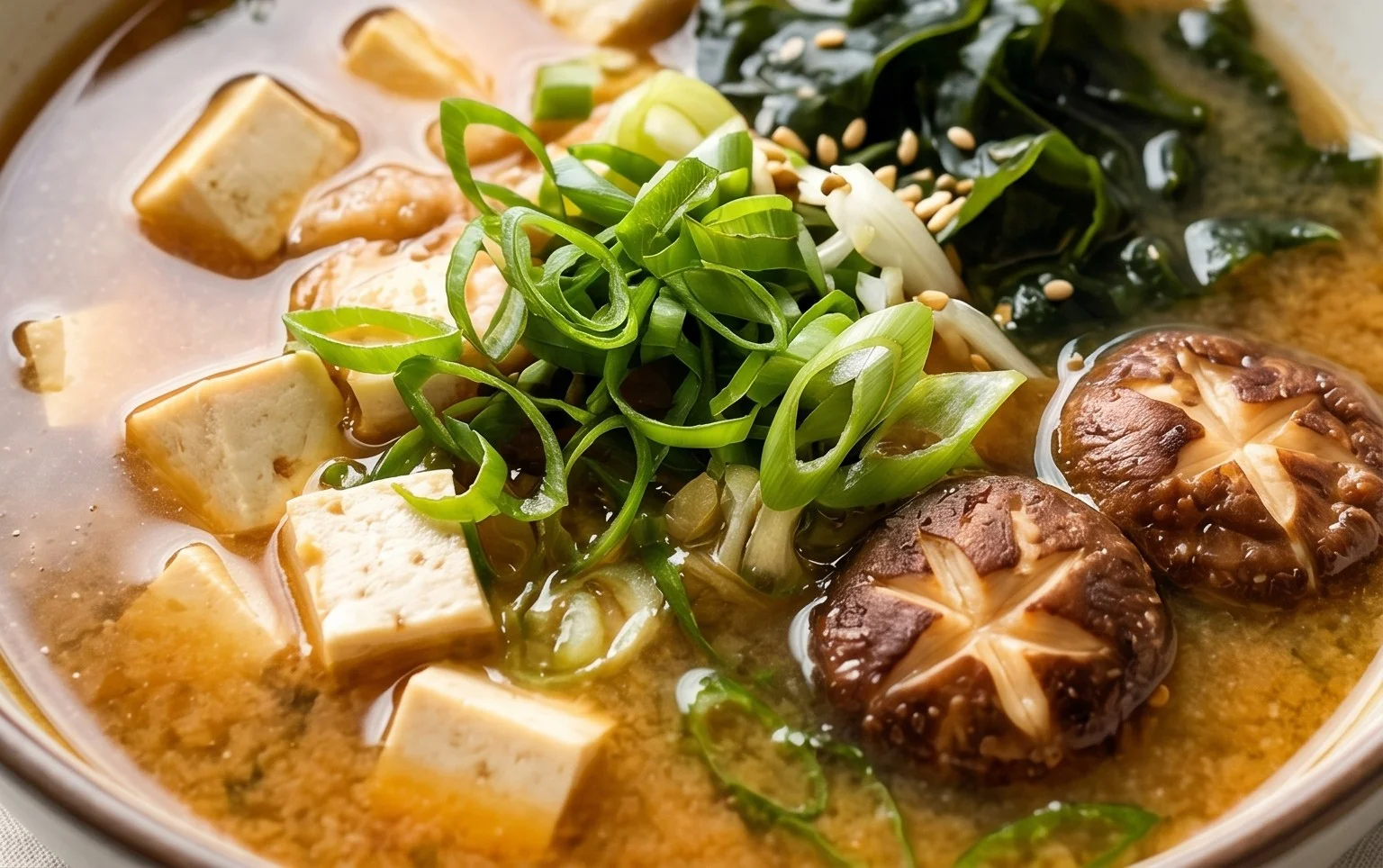
For serving, a warm bowl of this miso soup is perfect on its own, but it also pairs wonderfully with steamed rice, grilled fish, or even as a palate cleanser. Feel free to experiment with variations! Add silken tofu for extra protein, shiitake mushrooms for an earthy depth, or a sprinkle of toasted sesame seeds for added crunch and nutty flavor. Some even enjoy adding a touch of non-alcoholic mirin for a hint of sweetness. The possibilities are truly endless!
Frequently Asked Questions:
What is the best type of miso paste to use for this recipe?
While white miso (shiro miso) is a popular choice for its mild and slightly sweet flavor, you can also experiment with red miso (aka miso) for a richer, more robust taste, or a blend of both. Each will offer a unique nuance to your miso soup.
Can I make this miso soup recipe vegan?
Absolutely! To make this recipe vegan, simply ensure your dashi uses kombu (kelp) and dried shiitake mushrooms instead of bonito flakes. All other ingredients are typically vegan-friendly.
How long does miso soup last in the refrigerator?
Miso soup can be stored in an airtight container in the refrigerator for up to 2-3 days. It’s best to reheat it gently on the stovetop, avoiding a rolling boil to preserve the delicate flavors of the miso.
Miso Soup Recipe
A simple and comforting Japanese miso soup.
Ingredients
-
2½ cups Dashi
-
1 heaping tablespoon dried seaweed
-
4 oz silken tofu, cut into small pieces
-
2-2½ tablespoons miso paste, or to taste
-
1 tablespoon scallion, chopped
-
1 cup vegetable broth
-
1 teaspoon soy sauce
Instructions
-
Step 1
Rehydrate the dried seaweed in a small bowl with a little warm water for about 5 minutes. Drain and set aside. -
Step 2
In a medium saucepan, combine the Dashi, vegetable broth, and soy sauce. Bring to a gentle simmer over medium heat. -
Step 3
Add the rehydrated seaweed and silken tofu to the simmering broth. Cook for 1-2 minutes until heated through. -
Step 4
In a small bowl, whisk the miso paste with a ladleful of the hot broth until smooth and fully dissolved. -
Step 5
Gently stir the dissolved miso mixture back into the saucepan. Do not boil after adding miso, as it can affect the flavor and aroma. -
Step 6
Ladle the miso soup into bowls and garnish with chopped scallions before serving.
Important Information
Nutrition Facts (Per Serving)
It is important to consider this information as approximate and not to use it as definitive health advice.
Allergy Information
Please check ingredients for potential allergens and consult a health professional if in doubt.